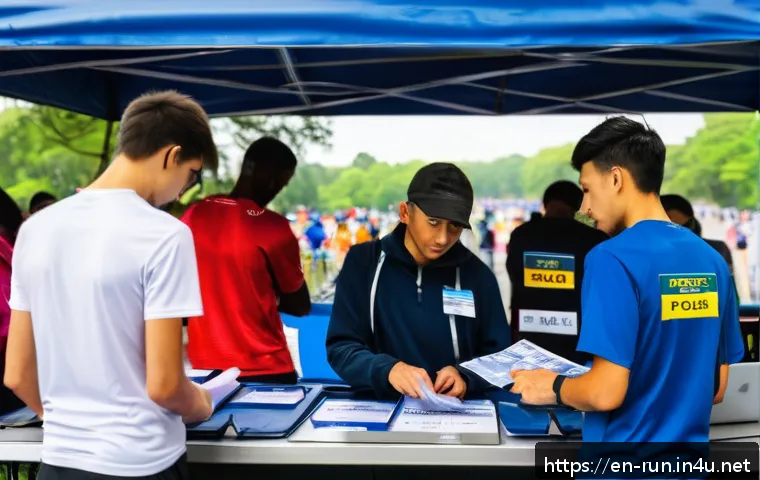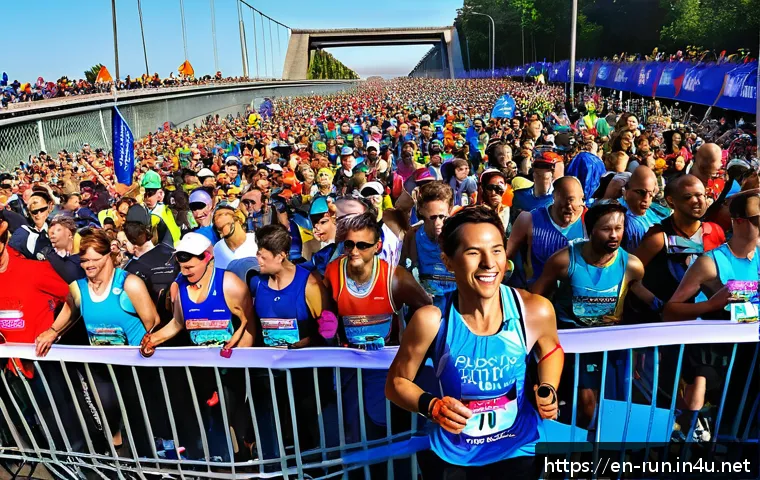
In today’s fast-paced market, brands are constantly searching for authentic ways to connect with their audiences. One powerful strategy gaining momentum is sponsoring running events, which not only boosts brand visibility but also fosters genuine community engagement.
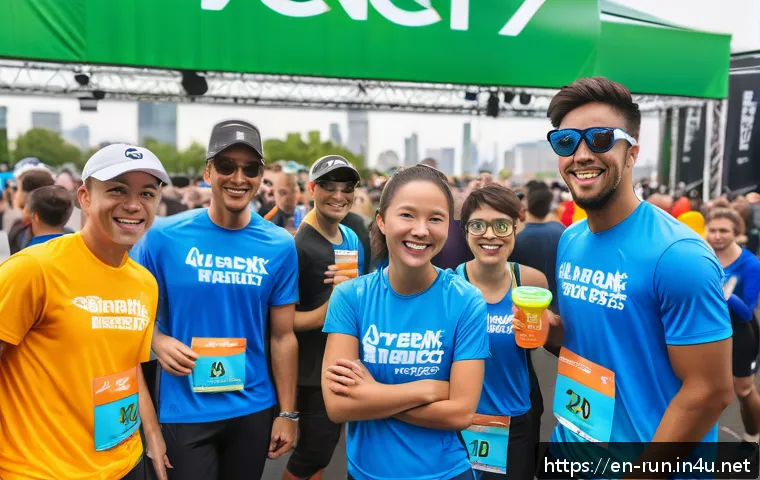
As people prioritize health and social causes more than ever, aligning your brand with these events can create lasting impressions and meaningful impact.
I’ve seen firsthand how such sponsorships transform brand perception and drive growth, making this approach a win-win for both companies and communities.
Let’s dive into how running event sponsorships unlock new opportunities for success and social good.
Creating Authentic Connections Through Event Sponsorship
Understanding the Community Pulse
Getting involved in running events means tapping into a community that values health, wellness, and camaraderie. What I’ve noticed is that these participants aren’t just runners; they’re passionate individuals who appreciate brands that genuinely support their lifestyle.
When a company sponsors an event, it’s not merely about slapping a logo on a banner—it’s about demonstrating a commitment to shared values. This authentic connection often translates to deeper brand loyalty because the audience feels seen and appreciated on a personal level, rather than just being targeted as consumers.
Crafting Meaningful Brand Stories
Sponsorship offers a fantastic platform to tell your brand’s story in a way that resonates emotionally. For example, I once worked with a brand that aligned its mission with environmental sustainability and chose a trail run through a national park.
The brand’s messaging wasn’t just about products but about preserving nature for future generations. This narrative, woven through race-day experiences, social media, and participant engagement, created a lasting impression far beyond traditional ads.
It’s this storytelling element that turns a simple sponsorship into a memorable brand moment.
Activating Engagement Beyond the Finish Line
The real magic happens when brands activate their sponsorship with creative, on-site experiences and digital follow-ups. I’ve seen brands set up hydration stations, host wellness workshops, and even run social media contests during events.
These touchpoints create opportunities for participants to interact with the brand in a friendly, informal setting, making the experience more memorable.
Post-event communication, like sharing race highlights or runner stories, keeps the conversation going and nurtures a community that feels valued, not sold to.
Leveraging Sponsorship to Boost Brand Visibility
Strategic Placement for Maximum Exposure
Visibility in a crowded marketplace can be tough, but running events provide a unique stage. From banners and race bibs to digital streams and photo ops, the brand presence is everywhere participants and spectators look.
I’ve noticed that well-placed logos on runners’ gear or finish line arches often become part of social media shares, extending reach organically. This kind of exposure is authentic and non-intrusive, which is why it tends to stick better in people’s minds compared to traditional ads.
Integrating Digital Campaigns with Live Events
The best sponsors don’t stop at the physical event; they integrate running event sponsorships into their broader digital marketing strategy. For instance, live race updates, hashtag campaigns, and influencer partnerships bring the event to life online.
I’ve worked on campaigns where engaging content from the race day—like behind-the-scenes looks or runner interviews—drove significant traffic and engagement on brand channels.
This synergy between live and digital not only amplifies visibility but also builds a vibrant community around the brand.
Tracking Impact and Measuring ROI
One concern I’ve heard often is how to measure the return on investment for event sponsorships. It’s true that tracking direct sales can be tricky, but there are several key metrics that offer insight.
Engagement rates on social media, increases in website traffic around the event, and brand sentiment analysis all provide meaningful data points. Plus, when sponsorships lead to long-term community relationships, the benefits compound over time, often resulting in steady sales growth and stronger brand equity.
Building Community Trust Through Social Responsibility
Aligning With Health and Wellness Movements
Running events naturally attract health-conscious individuals, so sponsoring them aligns your brand with a lifestyle that promotes well-being. From my experience, brands that genuinely support wellness initiatives—such as offering free fitness classes or sponsoring youth runs—gain immense trust.
This trust isn’t built overnight but through consistent, sincere involvement that shows the brand cares about more than just profit. It’s this kind of social responsibility that can differentiate a brand in today’s conscious marketplace.
Supporting Local Causes and Charities
Many running events partner with charities, providing a perfect avenue for brands to demonstrate corporate social responsibility. When a brand sponsors a race benefiting a local cause, it sends a clear message that it values giving back.
I remember a client who supported a cancer research fundraiser run; the positive feedback from participants and the community was overwhelming. This connection helps humanize the brand and fosters goodwill, which often translates into long-term customer loyalty.
Encouraging Inclusive Participation
Community runs are increasingly focusing on inclusivity, welcoming runners of all ages, abilities, and backgrounds. Brands that embrace this inclusive spirit by sponsoring events that promote diversity and accessibility stand out in a crowded market.
For example, sponsoring wheelchair races or family-friendly fun runs shows a brand’s commitment to breaking barriers. This approach doesn’t just boost visibility; it builds a reputation for empathy and forward-thinking that resonates deeply with modern consumers.
Maximizing Engagement Through Interactive Experiences
Creating Memorable On-Site Activations
One of the most effective ways to engage runners and spectators alike is by creating interactive experiences at the event. I’ve seen brands set up photo booths with props, offer product samples, or run mini-challenges that keep participants energized and entertained.
These activations turn passive spectators into active brand ambassadors, who often share their experiences online. The key is to make these moments fun and relevant so that they naturally encourage social sharing and word-of-mouth buzz.
Utilizing Technology to Enhance Interaction
Technology can elevate sponsorship impact by providing real-time engagement opportunities. For instance, mobile apps with race tracking, live leaderboards, or augmented reality experiences can deepen participant involvement.
In one event I helped with, a brand introduced a gamified app that rewarded runners for reaching checkpoints with discounts and giveaways. This blend of tech and physical activity created a dynamic experience that participants loved and kept talking about long after the event ended.
Building Long-Term Relationships Through Follow-Up
Post-event engagement is often overlooked but is crucial for maximizing sponsorship value. Sending personalized thank-you emails, sharing highlights, or offering exclusive deals to participants helps keep the connection alive.
I’ve found that these follow-ups can turn first-time event attendees into loyal customers. Brands that invest in nurturing these relationships benefit from increased repeat business and stronger community ties over time.
Understanding the Financial Benefits of Sponsorship
Cost-Effective Marketing Compared to Traditional Ads
Running event sponsorships often deliver impressive marketing returns at a fraction of the cost of TV or print ads. When I analyzed budgets from past campaigns, I noticed that sponsorships provided higher engagement per dollar spent because they reach a targeted, motivated audience.
Unlike broad ads that may miss the mark, event sponsorships connect directly with people who are likely to value your brand’s message, making every marketing dollar go further.
Driving Sales Through Experiential Marketing
Experiential marketing at running events lets consumers interact with products in a natural setting, which can boost sales significantly. For example, sampling sports drinks or gear during a race can directly influence purchase decisions.
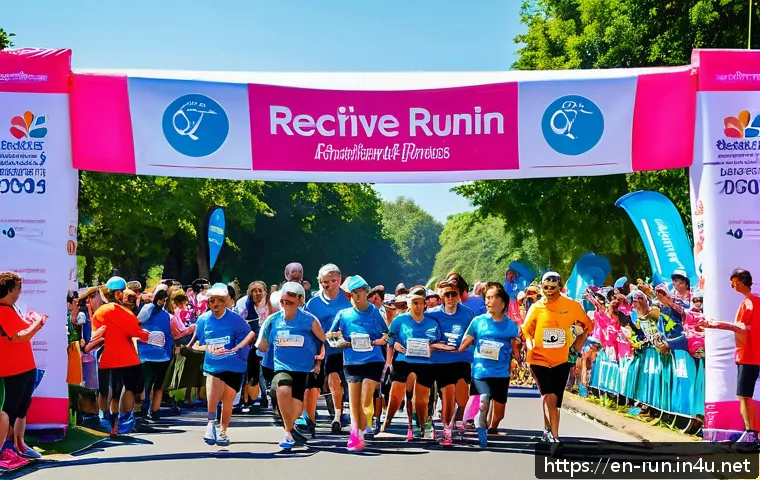
In my own experience, brands that combine on-site demos with exclusive event discounts see immediate spikes in sales, as participants are motivated by the convenience and excitement of the event.
Table: Key Sponsorship Benefits and Examples
| Benefit | Description | Real-World Example |
|---|---|---|
| Brand Visibility | High exposure through event signage, apparel, and digital coverage | Logo placement on race bibs and finish line banners |
| Community Engagement | Interactive on-site activations and social media campaigns | Hydration stations with branded giveaways and hashtag contests |
| Social Responsibility | Supporting local causes and health initiatives | Sponsoring charity runs for cancer research |
| Sales Growth | Direct product sampling and exclusive event offers | Discounts on running gear during the event |
| Long-Term Loyalty | Post-event communication and community building | Personalized follow-up emails with special promotions |
Choosing the Right Event to Match Your Brand
Assessing Audience Demographics
Not all running events are created equal, so it’s important to select one that aligns with your target market. I always recommend digging into the participant demographics—age, interests, geographic location—to ensure the event audience matches your ideal customer profile.
For example, sponsoring an ultramarathon might suit an outdoor gear brand targeting serious athletes, while a 5K charity run may be better for a family-oriented company.
Matching the event to your brand’s audience maximizes relevance and impact.
Evaluating Event Reputation and Reach
A well-established event with a solid reputation can amplify your brand’s credibility. I’ve seen smaller companies struggle when they sponsor lesser-known events that don’t attract much attention.
Conversely, partnering with high-profile races—like city marathons or popular community runs—provides a built-in audience and media coverage. It’s worth investing time in vetting the event organizer’s track record, participant numbers, and media presence before committing your resources.
Negotiating Sponsorship Packages Wisely
Sponsorship packages vary widely, so it pays to negotiate terms that deliver the best value. From my experience, companies that ask for customizable packages—such as exclusive branding rights or on-site activation opportunities—get more bang for their buck.
Don’t hesitate to request detailed metrics on expected exposure and engagement, and clarify what digital assets or participant data will be shared. A well-negotiated deal ensures your brand can activate sponsorship in ways that truly resonate with the audience.
Harnessing Influencers and Ambassadors to Amplify Impact
Selecting Authentic Brand Advocates
Influencers and athlete ambassadors can supercharge your running event sponsorship by bringing genuine passion and credibility. I’ve seen the difference when a well-known runner or local fitness influencer shares their event experience wearing your brand—it feels authentic and relatable.
The key is to choose advocates who truly align with your brand values and have engaged followers rather than just chasing follower counts.
Co-Creating Engaging Content
Partnering with influencers to create content—like training tips, race day vlogs, or product reviews—adds a personal touch that audiences crave. I once collaborated with a marathon runner who documented her journey using the brand’s gear, sparking significant interest and conversions.
This kind of storytelling brings your sponsorship to life in a way that static ads simply can’t, building trust and excitement simultaneously.
Measuring Influencer ROI
Tracking the impact of influencer partnerships requires clear goals and metrics. Engagement rates, referral codes, and traffic spikes during campaigns help quantify success.
I recommend setting up exclusive promo codes for each influencer to track sales directly linked to their efforts. This approach not only measures ROI but also helps identify which partnerships are most effective for future activations.
Innovating for Future Sponsorship Success
Incorporating Sustainability Practices
With growing consumer demand for eco-friendly initiatives, brands that integrate sustainability into their sponsorships stand out. I’ve seen events switch to biodegradable race materials, zero-waste hydration stations, and digital race packets to reduce environmental impact.
Supporting these efforts not only enhances your brand’s reputation but also connects with a conscientious audience that values responsible business practices.
Exploring Virtual and Hybrid Event Opportunities
The rise of virtual and hybrid running events opens new doors for sponsorship. From my experience, virtual races allow brands to reach global audiences and tailor interactive digital experiences.
Hybrid events combine the energy of live races with online engagement, offering multiple touchpoints for brand interaction. Embracing these formats keeps your sponsorship strategy fresh and adaptable to changing consumer behaviors.
Investing in Data-Driven Activation Strategies
Data is the secret weapon behind successful sponsorships. Collecting and analyzing participant insights—like preferences, behaviors, and feedback—can help brands fine-tune their activations.
I’ve worked with brands that use this data to personalize offers, improve event experiences, and measure impact more precisely. A data-driven approach ensures your sponsorship dollars are invested wisely and yield maximum returns.
Closing Thoughts
Event sponsorship is more than just visibility—it’s about building genuine relationships that resonate with your audience. By aligning with meaningful causes and creating engaging experiences, brands can foster lasting loyalty and trust. The key lies in authenticity, creativity, and thoughtful follow-up to keep the connection strong long after the event ends.
Helpful Tips to Remember
1. Choose events that closely match your brand’s target audience to maximize relevance and engagement.
2. Use storytelling to connect emotionally, making your sponsorship memorable beyond logos and banners.
3. Activate your sponsorship with interactive experiences and digital content to deepen participant involvement.
4. Track key metrics like social engagement and website traffic to measure sponsorship impact effectively.
5. Embrace sustainability and inclusivity to demonstrate social responsibility and appeal to conscious consumers.
Key Takeaways
Sponsoring running events offers a cost-effective way to boost brand visibility and community engagement. Success depends on selecting the right event, crafting authentic narratives, and activating meaningful experiences both onsite and online. Long-term value is created through consistent social responsibility efforts and nurturing relationships beyond the race day. Leveraging influencers and data-driven strategies can further amplify your brand’s impact and ensure measurable returns.
Frequently Asked Questions (FAQ) 📖
Q: uestionsQ1: How can sponsoring running events benefit my brand beyond just visibility?
A: Sponsoring running events offers much more than brand exposure. It creates authentic connections with health-conscious and community-oriented audiences, showing your brand’s commitment to wellness and social responsibility.
From my experience, attendees and participants remember brands that actively support causes they care about, leading to enhanced loyalty and positive word-of-mouth.
This emotional engagement often translates into long-term customer relationships rather than just fleeting recognition.
Q: What types of running events are best suited for brand sponsorship?
A: The ideal running events depend on your target audience and marketing goals. Local 5K races or charity runs are fantastic for community engagement and demonstrating social impact, especially if the event supports a cause aligned with your brand values.
Larger marathons or trail runs can offer broader reach and prestige but usually require a bigger budget. Personally, I’ve seen the greatest ROI when brands choose events that resonate deeply with their customer base, balancing scale with authenticity.
Q: How can I measure the success of sponsoring a running event?
A: Measuring success involves tracking both quantitative and qualitative metrics. Beyond traditional impressions and social media engagement, look at on-site interactions, new customer leads, and post-event sales spikes.
I recommend gathering participant feedback and monitoring sentiment online to gauge brand perception shifts. Using promo codes or exclusive offers at the event can provide concrete data on conversion rates, helping you understand the real impact of your sponsorship investment.