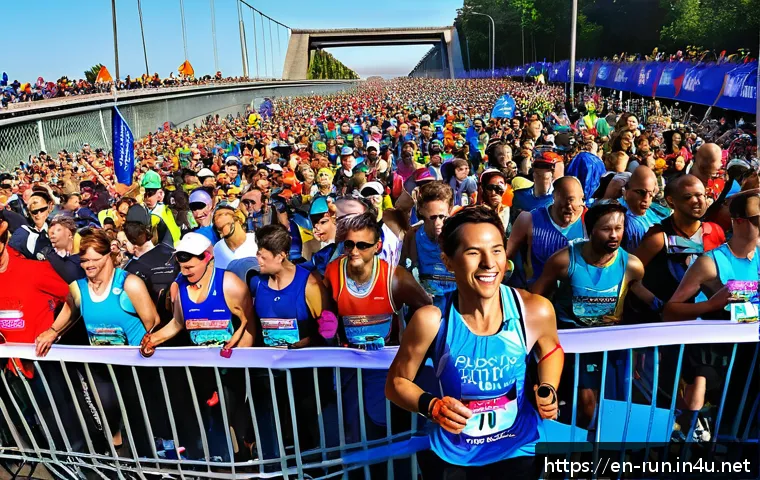
With race seasons heating up and new challenges popping up in the running community, now’s the perfect time to sharpen your game. Whether you’re chasing a personal best or tackling your first competition, mastering race day strategies can make all the difference.

I’ve been through the highs and lows of race prep, and trust me, a few key tweaks can transform your performance. Stick around as we dive into proven tips that will help you outpace the competition and cross that finish line stronger than ever.
Ready to take your running to the next level? Let’s get started!
Optimizing Your Pre-Race Routine for Peak Performance
Establishing a Consistent Wake-Up and Breakfast Plan
Waking up at the same time on race day as you do during training plays a surprisingly critical role in your performance. Your body thrives on routine, and sudden changes can throw off your energy levels and digestion.
From my experience, having a breakfast that you’ve tested during long runs is key. For example, a light meal with easily digestible carbs like toast with peanut butter and a banana works wonders.
Avoid trying new foods that might upset your stomach. Hydration also starts here—sip water steadily rather than chugging it to avoid feeling bloated.
Pre-Race Warm-Up Techniques That Actually Work
Many runners make the mistake of either skipping warm-ups or overdoing them. A well-balanced warm-up should elevate your heart rate gently and activate the muscles you’ll rely on during the race.
Personally, I stick to 10-15 minutes of light jogging followed by dynamic stretches such as leg swings, high knees, and lunges. These moves loosen up tight muscles and improve blood flow without draining your energy reserves.
The goal is to feel ready but not fatigued when you hit the start line.
Gear and Mental Prep: Don’t Leave Anything to Chance
Laying out your race day gear the night before reduces stress and last-minute panic. I always double-check my shoes, race bib, GPS watch, and weather-appropriate clothing.
Another overlooked aspect is mental rehearsal. Spending a few minutes visualizing the course, your pacing strategy, and the finish line can calm nerves and build confidence.
It’s like giving your brain a sneak peek of success, which often translates into a smoother race experience.
Mastering Race Day Nutrition and Hydration Strategies
Finding Your Ideal Carb and Electrolyte Balance
Fueling during a race isn’t one-size-fits-all. What worked for me in a 10K didn’t cut it in a half marathon. Generally, consuming 30-60 grams of carbohydrates per hour during longer races helps maintain energy levels.
Electrolytes are equally vital since sweating leads to salt loss. Sports drinks or electrolyte tablets can prevent cramps and dehydration. It’s important to practice this during training runs to avoid surprises on race day.
Smart Hydration: When and How Much to Drink
Drinking too much water can cause hyponatremia, while too little leads to dehydration. I’ve found that sipping small amounts frequently—about 150-250 ml every 15-20 minutes—works best.
Pay attention to thirst cues but don’t wait until you’re parched. If the race provides aid stations, plan ahead so you don’t waste time grabbing drinks unnecessarily.
Carrying your own hydration system might be a good idea for longer or hotter races.
Post-Race Recovery Fuel Tips
Recovering quickly after crossing the finish line is crucial if you have more races coming up or just want to bounce back. Aim to consume a mix of carbs and protein within 30 minutes post-race.
Something like a banana with a protein shake or a recovery bar can replenish glycogen stores and repair muscle tissue. Staying hydrated with water and electrolytes also supports recovery.
I’ve noticed that when I neglect this window, my next training sessions feel sluggish.
Crafting a Race Day Pacing Strategy That Fits You
Understanding Your Baseline Pace
Before race day, knowing your comfortable and threshold paces can prevent burnout. I usually run a few tempo runs and intervals in training to dial in what feels sustainable.
Starting too fast is a rookie mistake I’ve made; it leads to fading in the final miles. Using a GPS watch to monitor your pace helps keep you honest, especially when adrenaline kicks in at the start.
Adjusting Pace Based on Course and Conditions
Every race is different—hills, weather, and terrain impact how you should pace yourself. For hilly courses, slowing down on inclines and conserving energy can pay off when you hit the flats or downhill sections.
On hot days, dialing back your pace to avoid overheating is smart. I remember a humid 10K where I adjusted my pace mid-race and still managed a solid finish because I listened to my body.
Negative Splits: Why Finishing Faster Feels So Good
Running the second half of your race faster than the first—known as a negative split—is a strategy many elite runners use. It can be mentally uplifting and physically rewarding.
It requires discipline to hold back early on, but if you practice pacing well, you’ll have enough energy to surge in the final stretch. I always try to picture passing other runners in those last few miles; it keeps me motivated.
How to Navigate Race Day Logistics Without Stress
Arriving Early and Knowing the Venue
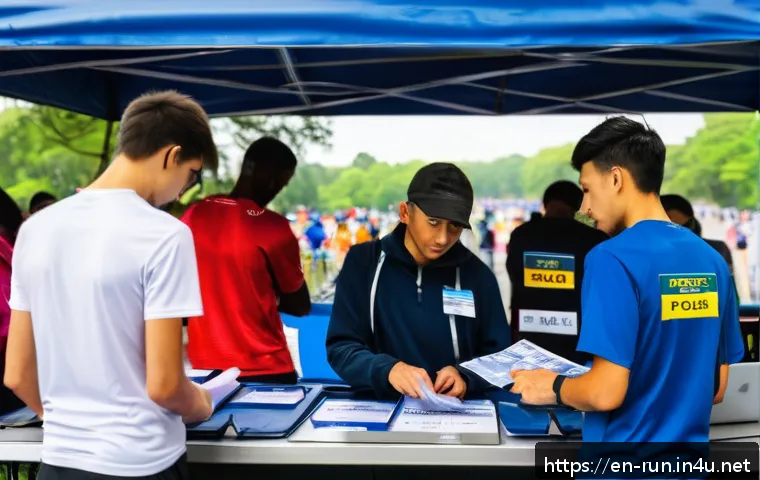
Getting to the race venue with plenty of time to spare reduces stress dramatically. I aim to arrive at least an hour before the start, which lets me handle parking, warm-up, and bathroom breaks without rushing.
Checking the race website or app beforehand for parking info and shuttle options is a must. Knowing where the start line, bag drop, and aid stations are located helps you focus on running instead of logistics.
Managing Pre-Race Nerves and Staying Focused
Race day jitters are normal, but they can derail your performance if unmanaged. I use breathing exercises and positive self-talk to keep anxiety at bay.

Listening to upbeat music or chatting with fellow runners can also help shift your mindset from nervousness to excitement. Remember, a bit of adrenaline can boost your performance if you channel it right.
Post-Race Plans for Comfort and Celebration
Having a post-race plan makes the experience more enjoyable. Whether it’s meeting friends, grabbing a favorite snack, or taking a cool-down walk, these rituals signal your body to relax.
I also recommend packing a lightweight jacket and recovery shoes to stay comfortable while you wait for results or awards.
Choosing the Right Training Runs Leading Up to Race Day
Incorporating Long Runs with Purpose
Long runs are the backbone of race prep but should be done strategically. Instead of just clocking miles, I focus on running at or near race pace during parts of the long run.
This helps my body adapt to the effort level. Also, practicing nutrition and hydration during these runs prevents surprises on race day.
Speed Workouts That Translate to Race Day Gains
Intervals, fartleks, and tempo runs all improve your speed and endurance. I schedule these workouts 1-2 times a week, depending on how close I am to race day.
The key is balancing intensity with recovery to avoid injury. From personal experience, adding variety keeps training engaging and effective.
Rest and Recovery: Don’t Overlook Taper Weeks
Tapering—reducing mileage and intensity before the race—is where many runners drop the ball. I’ve learned that allowing my body to recover fully while keeping legs fresh makes a huge difference.
During taper weeks, I focus on short, easy runs and stretching to maintain fitness without fatigue.
Choosing and Using Technology to Enhance Your Race Experience
GPS Watches and Running Apps: What to Look For
A good GPS watch is a runner’s best friend on race day. Features like pace alerts, heart rate monitoring, and route mapping help you stay on track. I’ve tried various brands and found that battery life and user interface matter most.
Apps on your phone can complement this by offering race day weather updates and training reminders.
Using Music and Audio Cues Wisely
Music can motivate, but it’s important to use it strategically. I prefer playlists that match my target pace, switching up songs to keep energy high. Some races limit headphone use for safety, so check race rules.
Audio cues from running apps can also alert you to splits and hydration reminders without distracting you.
Post-Race Data Analysis for Continuous Improvement
After the race, reviewing your data helps identify strengths and areas for growth. I look at pace consistency, heart rate zones, and how I handled different segments of the course.
This info guides my training adjustments and race strategies moving forward.
| Aspect | Key Tip | Why It Matters |
|---|---|---|
| Pre-Race Meal | Eat familiar, carb-rich foods 2-3 hours before start | Prevents stomach issues and boosts energy |
| Warm-Up | 10-15 min light jog + dynamic stretches | Prepares muscles without fatigue |
| Pacing | Start steady, consider course and weather | Avoids burnout and improves finish strength |
| Hydration | Sip 150-250 ml every 15-20 min | Maintains fluid balance and prevents cramps |
| Post-Race Recovery | Consume carbs + protein within 30 min | Speeds up muscle repair and replenishes energy |
In Conclusion
Optimizing your pre-race routine is essential for unlocking your best performance on race day. From consistent wake-up times to strategic pacing and hydration, every detail adds up. Trusting your training and preparation helps build confidence and reduces stress. Remember, the goal is to enjoy the race while pushing your limits safely and smartly.
Helpful Tips to Keep in Mind
1. Stick to familiar foods for your pre-race meal to avoid digestive issues and maintain steady energy levels.
2. Incorporate dynamic stretches after a light jog to warm up your muscles without exhausting yourself.
3. Monitor your pace carefully, especially on challenging courses or in varying weather conditions, to conserve energy for a strong finish.
4. Hydrate steadily by sipping small amounts regularly rather than gulping large quantities at once.
5. Prioritize post-race nutrition with a balance of carbs and protein to speed up recovery and prepare for your next workout or race.
Key Takeaways
Establishing a reliable race day routine that you have practiced during training is crucial to avoid surprises. Balancing warm-up intensity and pacing according to course demands helps maintain endurance and prevent burnout. Consistent hydration paired with proper nutrition fuels your body effectively throughout the race. Mental preparation and logistical planning ease stress, allowing you to focus on performance. Lastly, respecting recovery protocols ensures sustained progress and injury prevention.
Frequently Asked Questions (FAQ) 📖
Q: How should I adjust my pacing strategy on race day to avoid burnout?
A: It’s crucial to start conservatively, especially if it’s your first time on a particular course or distance. I’ve learned the hard way that going out too fast feels great initially but often leads to hitting the wall later.
A good rule of thumb is to run the first few kilometers or miles at a pace slightly slower than your target, then gradually pick up speed if you feel strong.
Listening to your body is key—if you’re breathing heavily too soon, ease off a bit. This approach not only conserves energy but also leaves room for a strong finish, which can really boost your overall time and morale.
Q: What are some essential nutrition tips for race day that actually work?
A: From my experience, race day nutrition isn’t about trying new foods but sticking to what your body knows. Eat a balanced meal rich in carbs and moderate protein about 2-3 hours before the race to fuel your muscles without feeling sluggish.
Hydration is equally important—sip water regularly but avoid overhydrating to prevent discomfort. During longer races, I find small, easily digestible snacks like energy gels or chews every 45 minutes help maintain energy levels without upsetting my stomach.
Also, experimenting during training runs helps identify what sits well with you, so race day is never a surprise.
Q: How can I mentally prepare myself to handle the pressure of race day?
A: Mental readiness is just as vital as physical training. Personally, I use visualization techniques—imagining the course, the crowd, and crossing the finish line successfully—to build confidence.
Setting realistic goals, like aiming for a strong effort rather than a perfect time, reduces anxiety. It also helps to have a pre-race routine that calms your nerves, whether that’s listening to music, deep breathing, or chatting with fellow runners.
Remember, every runner faces jitters; the trick is to channel that energy into focus and excitement rather than stress.