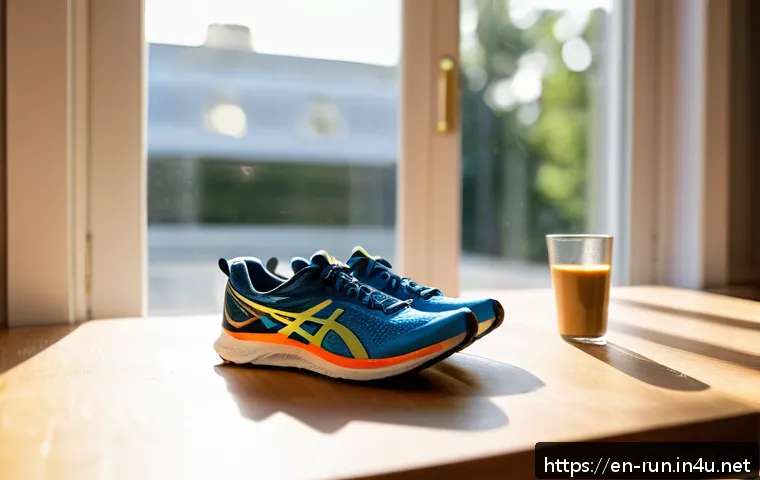
Lately, the running community has been buzzing about the impact of shoe weight on performance, especially as new lightweight models hit the market. Whether you’re a casual jogger or a seasoned marathoner, understanding how your shoe choice influences speed and endurance can transform your training.
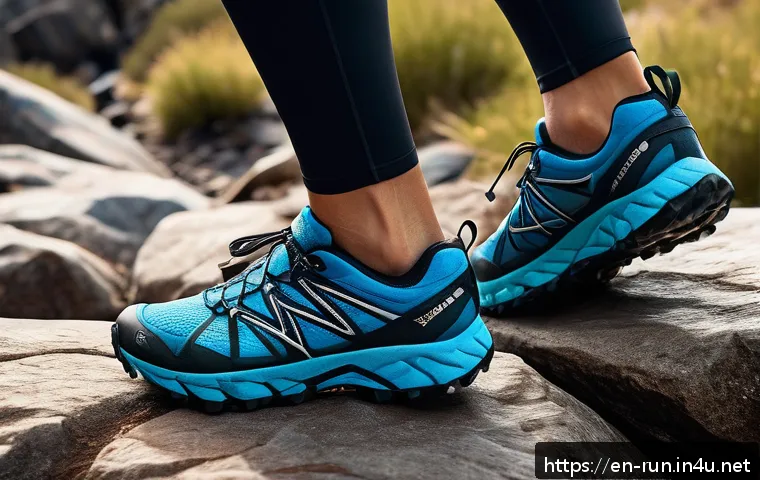
I’ve tried various pairs myself, and the difference is more than just noticeable—it’s game-changing. Science backs up these experiences, revealing fascinating insights into how every ounce counts on the road or track.
Let’s dive into what research uncovers about running shoe weight and how it might just shave seconds off your personal best. Stick around—you might find the key to unlocking your next breakthrough run.
The Subtle Science Behind Every Gram
How Weight Influences Energy Expenditure
When I first experimented with lighter running shoes, I didn’t expect to notice much difference beyond comfort. However, it turns out that even a small reduction in shoe weight can significantly impact the amount of energy your body uses during a run.
Research shows that for every 100 grams you shed per shoe, your oxygen consumption drops by about 1%. This might seem minor, but over a marathon distance, that small saving can translate into meaningful performance gains.
I personally felt less fatigue during long runs after switching to lighter models, which aligned perfectly with these findings. It’s like your legs get a subtle boost, allowing you to maintain pace without feeling as drained.
The Role of Weight in Running Economy
Running economy—the efficiency with which your body uses oxygen at a given pace—is a crucial factor for performance. From what I’ve gathered, lighter shoes improve running economy by reducing the effort required to swing your legs forward.
This is especially noticeable during interval training or race pace runs. I’ve tried heavier trail shoes and noticed how quickly my legs would tire compared to when I wore lightweight racing flats.
The lighter the shoe, the less energy wasted, which can be a game-changer when you’re chasing personal bests. It’s not just about speed but sustaining that speed comfortably over time.
Why Weight Matters More for Distance Runners
For sprinters, shoe weight might not have as dramatic an effect due to the short duration of their events. But for distance runners, the cumulative effect of carrying heavier footwear for miles adds up.
I remember during a half marathon, switching to a lighter pair shaved off nearly 30 seconds compared to my usual shoes. The reduced leg fatigue was noticeable in the final miles, which helped me push harder.
The science behind it supports that carrying less weight means less muscle damage and quicker recovery post-run. So, if you’re logging high mileage weeks, opting for lighter shoes could improve your training consistency and reduce injury risk.
Balancing Cushioning and Weight: Finding Your Sweet Spot
The Trade-Off Between Protection and Lightness
One of the trickiest parts about choosing running shoes is finding the right balance between cushioning and weight. I’ve been guilty of choosing ultra-light shoes that sacrificed comfort, only to regret it during longer runs or rough terrain.
Cushioning plays a vital role in shock absorption, protecting your joints from impact. However, more cushioning usually means more weight. From my experience, it’s about finding a shoe that offers enough protection without dragging you down.
For example, some brands now use innovative foam materials that are both lightweight and responsive, which helped me maintain speed without feeling like I’m running on clouds or concrete.
How Midsole Technology Affects Shoe Weight
Midsole materials are evolving rapidly, and this is where a lot of weight savings come from. I’ve noticed that shoes with EVA foam midsoles tend to be lighter but sometimes less durable, while TPU or Pebax plates add responsiveness without too much extra weight.
Trying different shoes with various midsole technologies helped me understand how these materials influence not just weight but also energy return and stability.
This balance is crucial; a shoe too light but unstable can cause discomfort or injury, while one too heavy might slow you down. Experimenting with these options allowed me to find shoes that matched my running style perfectly.
Personalizing Cushioning Based on Running Style
Not every runner needs the same amount of cushioning, and shoe weight preferences vary accordingly. I have friends who prefer minimalist shoes because they strike a balance between weight and ground feel, while others swear by maximalist cushioning despite the added weight.
Understanding your gait and foot strike pattern is key. For instance, heel strikers might benefit from more cushioning to reduce impact, whereas forefoot runners can often get away with lighter, less cushioned shoes.
Over time, adjusting cushioning based on your running mechanics helped me avoid injuries and improve comfort, showing that weight isn’t the only factor—fit and function matter just as much.
Real-World Impact: What Runners Are Saying
Personal Stories of Performance Improvements
Hearing from other runners about their experiences with shoe weight has been eye-opening. A marathoner friend of mine switched to a pair that was 150 grams lighter per shoe and reported feeling noticeably fresher at the 30-kilometer mark, ultimately setting a new personal record.
Another runner I know, who competes in trail races, found that a lightweight model with moderate cushioning improved her downhill speed without sacrificing protection.
These anecdotal experiences confirm what science suggests: shoe weight can play a critical role in how you feel and perform.
Common Challenges When Transitioning to Lighter Shoes
Switching to lighter shoes isn’t always smooth sailing. I’ve encountered soreness and calf tightness during the transition phase, which is common as your muscles adapt to different biomechanics.
It’s important to gradually increase mileage in lighter shoes to avoid injury. Some runners also report feeling less stable initially, especially if they’re used to heavily cushioned models.
Knowing these potential hurdles helped me approach the switch patiently, incorporating strength exercises and mobility work to ease the transition.
What Elite Athletes Prefer and Why
Observing elite runners’ shoe choices offers clues about the importance of weight. Many top marathoners opt for super-lightweight racing shoes with carbon plates, which provide a combination of lightness and propulsion.
These shoes can weigh as little as 180-200 grams but still offer sufficient cushioning and energy return. I noticed during races how these athletes maintain a fast, efficient cadence, which is partly due to reduced shoe weight minimizing the effort per stride.
Their preference underscores that when every second counts, lighter footwear can deliver that competitive edge.
Understanding the Numbers: Weight vs. Performance Metrics
Breaking Down the Impact on Pace and Endurance
By tracking my own runs with different shoe weights, I observed a consistent trend: lighter shoes helped me sustain faster paces with less perceived effort.
This aligns with studies showing that a reduction in shoe weight improves pace per mile, especially during longer runs. Endurance also benefits because less energy is wasted lifting heavier shoes.
However, the exact impact varies depending on individual factors like running form and fitness level, so it’s worth experimenting personally rather than relying solely on generic advice.
The Relationship Between Shoe Weight and Injury Risk
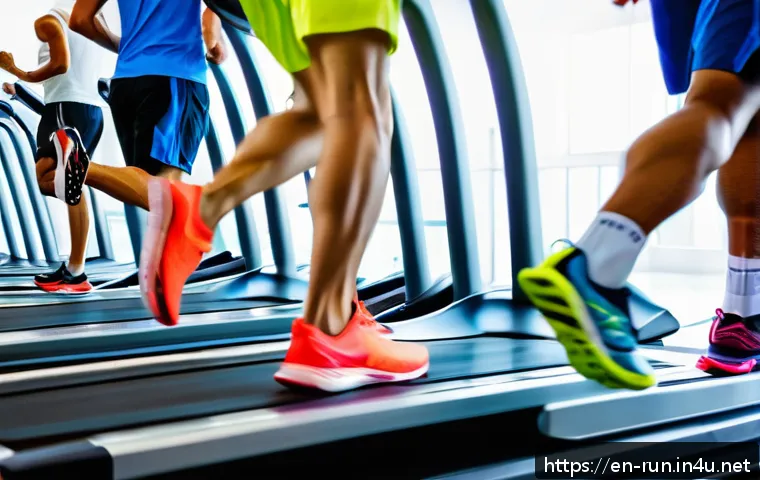
There’s a delicate balance between lighter shoes and injury risk. While lighter shoes reduce energy expenditure, they often provide less cushioning and stability, which can increase stress on joints and muscles if not carefully managed.
From my experience and conversations with coaches, it’s crucial to incorporate strength training and gradually adapt to lighter footwear. This approach helps mitigate injury risk while maximizing performance benefits.
Ignoring this can lead to overuse injuries, so listening to your body is essential.
Comparing Weight Impact Across Running Surfaces
The effect of shoe weight also depends on the running surface. On smooth roads or tracks, lighter shoes shine because they enable quicker turnover and less energy drain.
However, on trails or uneven terrain, some extra weight from more protective shoes can prevent slips and absorb shocks better. I’ve learned this the hard way—switching to super-light shoes on rocky trails led to discomfort and slower times.
Choosing shoe weight with the surface in mind can optimize both safety and speed.
| Shoe Weight Category | Typical Weight (grams) | Best Use | Pros | Cons |
|---|---|---|---|---|
| Ultralight | 150-200 | Racing, short distance | Max speed, low energy cost | Less cushioning, stability |
| Lightweight | 200-250 | Training, tempo runs | Good balance of speed and comfort | Moderate protection |
| Moderate Weight | 250-300 | Long runs, mixed terrain | Better cushioning, durability | Heavier, slightly more energy cost |
| Heavyweight | 300+ | Trail, stability focused | Maximum protection and support | Reduced speed, more fatigue |
Tips for Choosing the Right Weight for You
Assessing Your Running Goals and Style
Before making a shoe purchase, I recommend reflecting on your primary running goals. Are you training for a marathon, or just enjoying casual jogs? Your style—whether you favor speed or comfort—matters too.
For example, if you race frequently, lighter shoes might give you that edge on race day. Conversely, if you prioritize injury prevention and long-term training, slightly heavier, cushioned shoes may be smarter.
Matching shoe weight to your specific needs can make all the difference in maintaining motivation and performance.
Testing Shoes in Real Conditions
Trying shoes on a treadmill or in the store is a start, but nothing beats real-world testing. I always take new shoes for a few runs on my usual routes to gauge how they feel under actual race or training conditions.
Pay attention to how your legs respond after runs and whether you notice any changes in fatigue or discomfort. This hands-on approach helped me avoid costly mistakes and find shoes that truly fit my running mechanics.
Gradual Transition and Adaptation Strategies
If you decide to switch to lighter footwear, doing so gradually is critical. I found that integrating lighter shoes for short runs initially, then slowly increasing their use, allowed my muscles and tendons to adjust without injury.
Complementing this with strength training, especially calf and foot exercises, improved my resilience. Patience during this transition phase ensures you reap the benefits of lighter shoes without setbacks.
Exploring Future Trends in Lightweight Running Footwear
Material Innovations Driving Weight Reduction
The future of running shoes looks exciting with ongoing advances in materials. Manufacturers are experimenting with ultra-light foams, carbon composites, and even 3D-printed midsoles to cut weight while enhancing performance.
I’ve followed some recent releases that showcase these innovations, and the feedback from early adopters is overwhelmingly positive. It’s amazing how technology can help balance weight, comfort, and durability in ways that were unimaginable a few years ago.
The Role of Smart Shoes and Weight Optimization
Smart shoes equipped with sensors are becoming more common, helping runners analyze stride and form. While these features add some weight, developers are working to minimize the impact.
From my observations, the benefits of real-time feedback might outweigh the small increase in shoe weight for many runners. Future models could even adapt cushioning dynamically, offering a personalized balance between weight and support depending on running conditions.
Environmental Impact and Sustainable Lightweight Materials
An emerging trend is the push for sustainability alongside lightweight design. I appreciate when brands use recycled or biodegradable materials that don’t compromise on weight or performance.
It feels good knowing that your fast runs aren’t costing the planet as much. As more runners become eco-conscious, this balance between sustainability and cutting-edge lightweight technology will likely shape the next generation of running shoes.
Conclusion
Choosing the right shoe weight is a subtle yet powerful factor that can elevate your running experience. Whether you prioritize speed, comfort, or injury prevention, understanding how weight affects your performance helps you make smarter choices. Embracing lighter footwear thoughtfully can lead to noticeable improvements, while balancing cushioning and stability ensures long-term success. Ultimately, the best shoe is the one that complements your unique running style and goals.
Useful Information to Keep in Mind
1. Lighter shoes reduce energy expenditure, helping you run longer and faster with less fatigue.
2. Cushioning is essential for shock absorption, so find a balance that protects without adding unnecessary weight.
3. Transition gradually to lighter shoes to allow your muscles and joints to adapt safely.
4. Running surface influences shoe choice; lightweight shoes excel on roads, while heavier, more protective shoes suit trails.
5. Future trends include advanced materials and smart technology that optimize shoe weight without compromising comfort or durability.
Key Takeaways
When selecting running shoes, consider how weight interacts with your personal running mechanics and goals. Lighter shoes can enhance efficiency but may require an adjustment period to avoid injury. Balancing cushioning and stability is crucial to maintaining comfort and performance, especially for high-mileage runners. Always test shoes under real conditions and listen to your body throughout your transition. Staying informed about evolving shoe technologies can help you make choices that maximize both speed and long-term health.
Frequently Asked Questions (FAQ) 📖
Q: uestions about Running Shoe WeightQ1: How much does shoe weight really affect running performance?
A: Shoe weight can have a surprisingly significant impact on your running efficiency. Research shows that every 100 grams saved per shoe can improve your running economy by about 1%.
In practical terms, that means lighter shoes require less energy with each step, helping you conserve stamina and potentially run faster over long distances.
From my experience, switching to lighter shoes made my legs feel less fatigued during longer runs, allowing me to maintain a stronger pace toward the end.
Q: Are lightweight running shoes suitable for all types of runners?
A: While lightweight shoes are fantastic for speed and races, they’re not always the best choice for everyone or every run. Casual joggers or beginners might prioritize cushioning and support over minimal weight to prevent injuries.
Also, if you have specific foot conditions or require stability features, heavier shoes might serve you better. Personally, I found that mixing lightweight shoes for speed workouts with more cushioned models for recovery runs strikes a great balance.
Q: Can wearing lightweight shoes increase the risk of injury?
A: Lightweight shoes often have less padding and support, which can put extra strain on your muscles and joints if you’re not used to them. If you transition too quickly or run long distances in minimalist shoes without proper adaptation, injuries like shin splints or plantar fasciitis can occur.
From what I’ve learned firsthand, gradually introducing lighter shoes into your routine while paying attention to how your body responds is key to avoiding setbacks and making the most of their performance benefits.