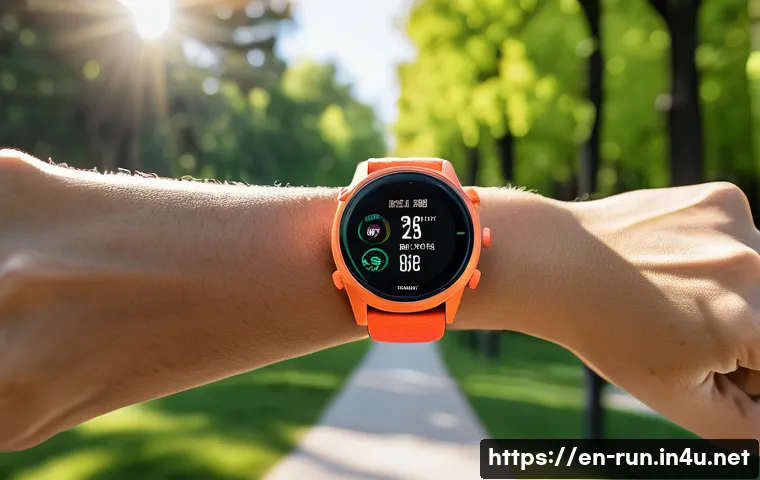
Getting started with a running watch can feel overwhelming at first, especially with so many features packed into these sleek gadgets. Whether you’re a casual jogger or training for your first marathon, understanding how to navigate your device can boost your motivation and improve your performance.
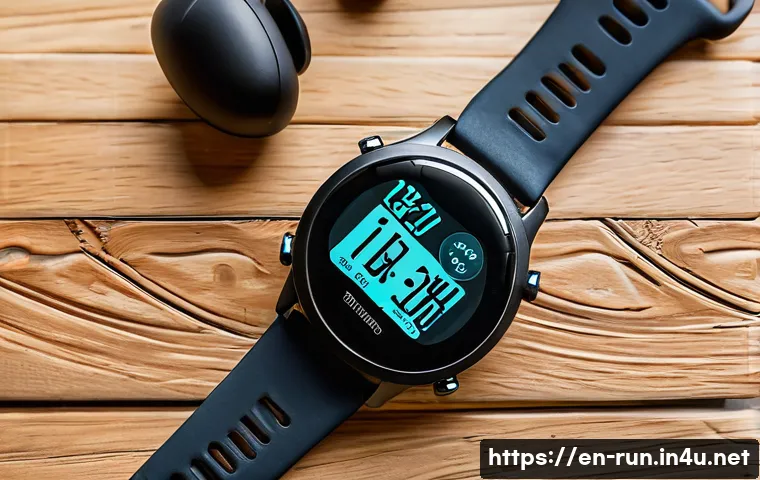
From tracking your pace to monitoring heart rate and recovery, these watches offer valuable insights that can transform your running experience. I’ve personally found that mastering just a few key functions makes every run more enjoyable and productive.
Let’s dive in and explore how to get the most out of your running watch! I’ll guide you through the essentials so you can hit the ground running confidently.
Understanding Your Running Watch Interface
Getting to Know the Buttons and Touchscreen
When you first hold a running watch, the array of buttons and touchscreen options might seem like a puzzle. Most watches come with a combination of physical buttons and a touchscreen that lets you swipe through menus.
I remember fumbling through mine initially, accidentally starting a workout or pausing mid-run. The key is to spend a few minutes familiarizing yourself with each button’s function—usually, one is for starting or stopping your run, another for lap splits, and a third for accessing settings.
Swiping gestures often help you scroll through stats or notifications. Try practicing these controls while off the track; this way, you won’t be distracted when running.
Customizing Your Watch Face and Widgets
One of my favorite discoveries was the ability to customize the watch face and widgets. You can select what data shows up front and center—whether it’s pace, distance, heart rate, or even weather updates.
Customization lets you focus only on what matters to you, reducing screen clutter and information overload. Some watches even let you download third-party watch faces or add apps, which can be a game-changer if you like specific metrics or visual styles.
Experiment with different layouts during your training runs to find the setup that keeps you motivated without overwhelming you.
Understanding Basic Navigation Menus
Navigating through the watch menus can feel like a maze at first, but most brands follow a similar hierarchy. Typically, you’ll find options like Activity History, Workout Modes, Settings, and Health Stats.
I found it helpful to map out what’s where on a notepad or screenshot the menu tree on my phone. Many watches also have quick-access menus for frequently used features, which can be customized.
Knowing how to jump quickly between modes—like switching from a timed run to a cycling workout—can save you precious seconds and keep your focus on the road.
Mastering Activity Tracking Features
Tracking Pace and Distance Accurately
Accurate pace and distance tracking are the bread and butter of running watches. Most devices use GPS to map your route and calculate these metrics, but factors like tall buildings, dense trees, or even weather can affect accuracy.
I’ve noticed my watch sometimes loses signal in urban canyons, so it helps to start your run in an open area to get a solid GPS lock. Many watches also allow manual calibration or use accelerometer data to improve estimates.
Checking your route and stats post-run gives you a better sense of how accurate the data is and helps you adjust your expectations.
Monitoring Heart Rate and Zones
Heart rate monitoring is an invaluable tool for gauging effort. Your watch typically uses optical sensors to detect your pulse, but the fit of the band and wrist movement can influence readings.
I learned that tightening the band just enough—not too tight or loose—improves sensor accuracy. Many watches categorize your heart rate into zones like aerobic, anaerobic, or recovery, which helps tailor your training intensity.
Watching these zones in real-time can push you to speed up or slow down, making workouts more effective without overexerting.
Recovery and Sleep Insights
Some running watches go beyond tracking workouts by analyzing recovery and sleep quality. Personally, I found the recovery timer feature eye-opening. It estimates how long you should rest before your next hard session based on previous activity and heart rate variability.
Sleep tracking offers insights into how well you’re resting, which is critical for performance and injury prevention. While these features aren’t perfect, I use them as rough guides rather than gospel, combining data with how I actually feel.
It’s amazing how a good night’s sleep can reflect in your run the next day.
Using Training Modes and Workouts Effectively
Selecting the Right Workout Mode
Running watches offer a variety of workout modes like interval training, tempo runs, or races. Choosing the right mode can help you follow your training plan closely.
When I was prepping for my first 10K, using the interval mode kept me honest with my work and rest periods. These modes automatically track splits and alert you when it’s time to change pace, which removes the guesswork and keeps you focused.
If you’re new to structured training, start with simple modes and explore more advanced ones as you get comfortable.
Creating and Syncing Custom Workouts
Many watches let you create custom workouts on their app or website, then sync them to your device. I found this feature especially useful for following plans from coaches or running apps.
Setting up intervals, rest periods, and goals ahead of time means you don’t have to fiddle with settings mid-run. Syncing is usually seamless via Bluetooth, and your watch will guide you through each phase of the workout with alerts and vibration cues.
It’s like having a personal coach on your wrist, making each session more productive.
Utilizing Real-Time Feedback and Alerts
One of the coolest things I’ve grown to rely on is real-time feedback. Whether it’s pace alerts, cadence reminders, or heart rate warnings, these notifications help keep you on track without constantly looking at your watch.
You can customize thresholds to match your goals—for example, beeping if you fall below your target pace or exceed your heart rate zone. This immediate feedback can be a game-changer for maintaining consistency, especially during long runs or races when it’s easy to drift unintentionally.
Syncing Your Watch with Apps and Devices
Connecting to Your Smartphone
Pairing your running watch with your smartphone unlocks a treasure trove of features. Notifications for calls, messages, and calendar events keep you connected without pulling out your phone mid-run.
Beyond that, syncing allows your workout data to upload automatically to apps where you can analyze trends over weeks and months. I’ve found this integration essential for spotting improvements and adjusting training plans.
Most watches use Bluetooth for pairing, and the initial setup is usually straightforward through the manufacturer’s app.
Integrating with Popular Fitness Platforms
Linking your watch with platforms like Strava, Garmin Connect, or Nike Run Club expands your social and motivational environment. Sharing runs, participating in challenges, or comparing stats with friends can add a fun competitive edge.

I personally enjoy the community aspect of Strava, which motivates me to keep logging runs. These platforms often offer deeper analysis tools, such as segment comparisons or training load assessments, which go beyond what the watch alone provides.
Using Third-Party Accessories for Enhanced Data
Beyond the watch itself, you can connect additional sensors like chest strap heart monitors, foot pods, or cycling power meters. These accessories typically provide more precise data than the watch’s built-in sensors.
For example, a chest strap can give more accurate heart rate readings, especially during high-intensity efforts. I experimented with a foot pod during winter treadmill runs, which helped maintain pace data when GPS was unavailable.
Integrating these devices requires some setup but can greatly enhance your training insights.
Maintaining and Caring for Your Running Watch
Cleaning and Protecting Your Device
Sweat, dirt, and environmental exposure can affect your watch’s performance and longevity. After runs, I make it a habit to wipe down the watch and band with a damp cloth to remove residue.
Avoid using harsh chemicals, which can damage sensors or screen coatings. If you run in muddy or wet conditions often, consider investing in a screen protector and a durable band.
Keeping your watch clean not only helps with sensor accuracy but also prevents skin irritation.
Battery Management Tips
Battery life varies widely depending on the watch model and how intensively you use features like GPS or heart rate monitoring. I noticed that enabling battery-saving modes or turning off always-on display can significantly extend usage.
Charging habits matter too—lithium-ion batteries don’t like to be drained completely or kept at 100% constantly. I usually top off the battery before long runs and try to avoid leaving it plugged in overnight.
Monitoring battery health through the watch’s settings can alert you when it’s time for a replacement.
Updating Software and Firmware
Manufacturers regularly release updates that improve performance, fix bugs, and add new features. Keeping your watch’s software up to date ensures you’re getting the best experience and accurate data.
I recommend checking for updates once a month or whenever the watch prompts you. Updates typically require syncing with your phone or computer and may take a few minutes, so plan accordingly to avoid interruptions before a run.
Interpreting Your Running Data for Improvement
Analyzing Trends Over Time
It’s tempting to focus on daily numbers, but the real value lies in spotting trends over weeks and months. Tracking how your pace, distance, and heart rate zones evolve gives you a clearer picture of fitness gains or plateaus.
I keep a running journal alongside my watch data to note how I felt during workouts, which helps contextualize the numbers. This combination of quantitative and qualitative info has been crucial in avoiding burnout and tailoring my training to my body’s signals.
Setting Realistic Goals Based on Data
Using your watch’s insights to set achievable goals keeps motivation high. For example, if your average pace has steadily improved, you might set a target to run a 5K at that new pace.
Conversely, if your heart rate is unusually high during easy runs, it could signal fatigue or illness, reminding you to rest. Goals that are too ambitious can lead to frustration or injury, so I suggest revisiting your data regularly and adjusting targets accordingly.
Celebrate small wins—they add up over time.
Using Metrics to Prevent Injury
Running watches provide metrics like cadence, ground contact time, and vertical oscillation, which can be useful for injury prevention. I learned from my coach that maintaining an optimal cadence around 170-180 steps per minute reduces impact stress.
Monitoring these metrics and making gradual adjustments helped me overcome recurring shin splints. Some watches also alert you if your training load spikes suddenly, prompting you to scale back before injury strikes.
Paying attention to these details can extend your running career significantly.
| Feature | Purpose | Tips for Beginners |
|---|---|---|
| GPS Tracking | Measures distance and pace by mapping your route | Start runs in open areas for better signal; calibrate if available |
| Heart Rate Monitor | Tracks pulse to gauge effort and zones | Wear snugly above the wrist bone; avoid loose straps |
| Custom Workouts | Allows structured training with intervals and goals | Sync workouts before runs; start with simple sessions |
| Recovery Timer | Estimates rest needed after workouts | Use as a guide, not absolute; listen to your body too |
| Sleep Tracking | Monitors sleep quality and duration | Review trends over time; prioritize rest for better runs |
| App Integration | Syncs data with fitness platforms for analysis and sharing | Connect with apps like Strava for motivation and feedback |
| Real-Time Alerts | Provides notifications during workouts (pace, heart rate) | Customize thresholds to match your training goals |
In Conclusion
Understanding your running watch’s features can truly elevate your training experience. Taking time to learn its interface, tracking capabilities, and syncing options helps you make the most of every run. With practice, your watch becomes more than just a gadget—it’s a reliable training partner guiding you toward your fitness goals. Remember, the key is to customize and use it in ways that suit your unique needs.
Useful Tips to Keep in Mind
1. Always familiarize yourself with the watch’s buttons and touchscreen before hitting the road to avoid distractions during your run.
2. Customize your watch face and widgets to display only the metrics that motivate and help you the most.
3. Take advantage of real-time alerts and feedback to stay on target without constantly checking your watch.
4. Sync your watch regularly with fitness apps to track long-term progress and stay connected with your running community.
5. Maintain your watch by cleaning it properly and updating its software to ensure accurate data and smooth performance.
Key Takeaways
Your running watch is a powerful tool when used thoughtfully. Prioritize learning its controls and features to reduce frustration and maximize benefits. Use data insights not just for performance but also for injury prevention and recovery. Syncing with apps and accessories can deepen your understanding and motivation. Finally, regular care and software updates keep your device reliable, helping you stay consistent and enjoy every step of your running journey.
Frequently Asked Questions (FAQ) 📖
Q: How do I set up my running watch for the first time?
A: Setting up your running watch is usually straightforward but can feel a bit tricky if you’re new to it. Start by charging the device fully, then turn it on and connect it to your smartphone via the companion app.
This app often guides you through basic settings like language, units (miles or kilometers), and personal info such as age, weight, and height. These details help the watch give you more accurate feedback.
I found that spending a few minutes here really paid off because it made all the data more meaningful during my runs. Don’t forget to sync your watch regularly to keep your stats updated and backed up.
Q: Which features should I focus on as a beginner runner?
A: When you’re just starting out, it’s easy to get overwhelmed by all the bells and whistles on your running watch. My advice is to focus on three key features: pace tracking, heart rate monitoring, and distance measurement.
Pace tracking helps you maintain a steady speed, so you don’t burn out too quickly. Heart rate monitoring gives you insight into how hard your body is working, which is great for avoiding overtraining.
Distance measurement is a simple but essential metric to track your progress over time. Once you’re comfortable with these, you can explore other features like cadence, recovery time, or interval training to fine-tune your workouts.
Q: How can I make the most out of the data from my running watch?
A: The real magic happens when you learn to interpret the data your watch collects and use it to improve your runs. For example, if your pace is slower than usual but your heart rate is higher, it might be a sign you need more rest or that the weather is affecting your performance.
I’ve personally kept a running journal alongside my watch data to jot down how I felt each day, which helped me spot patterns and adjust my training accordingly.
Also, many watches offer training plans or recovery advice based on your stats—using these features can boost your motivation and help prevent injuries.
Remember, the data is only as good as the action you take from it!