
Okay, my fitness-loving friends, let’s get real for a minute. You crush your workouts, push your limits, and leave it all on the gym floor (or the hiking trail, or the yoga mat – you get it!).
We all know that incredible feeling of accomplishment, that post-exercise high. But then, if you’re anything like me, sometimes you hit a wall. You feel drained, maybe a little shaky, and suddenly that incredible energy dwindles.
I used to think my workout ended the moment I racked the weights or stopped my run, but oh boy, was I wrong! I’ve personally experienced the difference a proper recovery makes, not just for my energy levels, but for my overall progress and how I feel day-to-day.
It’s like putting premium fuel into a high-performance car – you wouldn’t skimp there, right? Over the years, I’ve seen countless trends come and go in the fitness world, from extreme diets to miracle supplements.
But one truth remains constant, and it’s something I’ve put a lot of time into understanding: what you put into your body *after* a workout is absolutely paramount.
We’re not just talking about chugging a generic protein shake anymore. The science is evolving so fast, with amazing new insights into personalized nutrition, the rise of incredible plant-based options, and even how our gut health plays a massive role in recovery.
It’s a whole new game! You might be wondering, “What exactly should I be eating to bounce back faster, feel stronger, and keep that energy going?” Trust me, I’ve been there, sifting through endless articles and trying various approaches myself.
I’ve learned that truly understanding this isn’t just about avoiding soreness; it’s about optimizing every single aspect of your fitness journey, from muscle repair to boosting your immune system.
It’s about finding those delicious, effective foods that turn your recovery into an exciting part of your routine. What if I told you that the perfect post-workout fuel could not only replenish your energy but also help you build muscle more efficiently, reduce inflammation, and get you ready to tackle your next session with renewed vigor?
That’s what we’re aiming for, isn’t it? Let’s skip the guesswork and dive into the practical, game-changing strategies for fueling your body after exercise.
Ready to discover the ultimate post-workout energy replenishment foods that will revolutionize your recovery? Let’s unlock all the juicy details and some super practical tips to supercharge your results!
Rehydrating Like a Pro: Beyond Just Water

When I first started seriously training, I thought grabbing a bottle of water after a sweat-drenched session was enough. Boy, was I naive! It quickly hit me that simply drinking plain water didn’t quite cut it, especially after an intense cycling class or a long hike on a scorching day.
I’d still feel a bit sluggish, maybe even a little headachey. That’s when I dug deeper and realized that rehydration is a whole science in itself, and it’s about so much more than just topping up your H2O levels.
Think of your body as a complex machine that loses more than just fluid during exercise; it sheds crucial minerals and electrolytes that are vital for muscle function, nerve impulses, and maintaining your body’s overall balance.
Ignoring this aspect of recovery is like driving a high-performance car on an empty tank – you just won’t get optimal results. Getting this right can literally transform how quickly you bounce back and how energized you feel for the rest of your day.
It makes a world of difference, and it’s a non-negotiable part of my post-workout ritual now.
Electrolytes: Your Body’s Spark Plugs
These tiny but mighty minerals – sodium, potassium, magnesium, calcium – are absolutely critical for proper hydration and pretty much every bodily function.
When we sweat, we lose these precious electrolytes, and if they’re not replenished, you can feel it. I remember one summer, after a particularly grueling outdoor bootcamp, I felt incredibly drained, almost dizzy.
It wasn’t until I consciously started incorporating electrolyte-rich drinks or foods that I noticed a significant improvement in my recovery and energy levels.
They help regulate fluid balance, support muscle contractions, and keep your nerves firing correctly. Without them, your body just can’t perform at its best, and you’ll find yourself struggling to recover effectively.
It’s a simple change that yields huge rewards for anyone serious about their fitness.
The Secret Weapon: Infused Water & Coconut Water
Beyond commercially prepared sports drinks, which can sometimes be loaded with sugar, I’ve found incredible natural alternatives. Coconut water is a fantastic natural source of electrolytes, especially potassium, and it tastes amazing – I often grab a carton after a tough run.
For something even simpler, try making your own infused water. Slices of cucumber, a squeeze of lemon, a few mint leaves, or even some berries can make plain water much more appealing and provide a subtle boost of vitamins and antioxidants.
It’s a delightful way to encourage yourself to drink more and ensure you’re getting those essential minerals back into your system without any artificial additives.
Trust me, your taste buds and your body will thank you!
The Power Duo: Protein and Carbs, Perfectly Timed
This is where the magic really happens for muscle repair and energy replenishment. For years, there was so much conflicting advice swirling around – “only protein,” “carbs are bad,” “don’t eat anything!” It was honestly overwhelming trying to figure out what was best.
But through a lot of personal experimentation and keeping up with the latest research, I’ve landed on a solid strategy: a smart combination of protein and carbohydrates is your best friend after a workout.
I vividly remember times I’d skip my post-workout meal because I was “too busy,” only to crash hard later in the day, feeling utterly ravenous and making poor food choices.
Now, I make it a priority, and the difference is monumental. This isn’t just about feeling full; it’s about providing your body with the raw materials it needs to rebuild muscle tissue that’s been broken down and refuel your energy stores so you’re not running on fumes.
Getting this balance right is crucial for long-term progress, strength gains, and simply feeling great.
Why Protein is Non-Negotiable
Protein is the undisputed king of muscle repair. When you exercise, especially strength training, you create tiny micro-tears in your muscle fibers. Protein provides the amino acids, which are essentially the building blocks, to repair these tears and help your muscles grow back stronger.
I’ve noticed a direct correlation between consistent protein intake after my workouts and less muscle soreness the next day. It makes such a difference in how ready I feel for my next session.
Aim for high-quality protein sources like lean meats, eggs, dairy, or plant-based options like tofu and lentils. Don’t skimp here; your muscles are literally begging for it to kickstart that recovery and growth process.
Carbohydrates: Replenishing Your Energy Stores
For a long time, carbs got a bad rap, but when it comes to post-workout recovery, they are absolutely essential. Your body primarily uses glycogen (stored carbohydrates) for energy during exercise.
After a tough session, these stores are depleted, and if you don’t replenish them, you’ll feel sluggish, fatigued, and your next workout might suffer.
I used to think I could just rely on protein, but I quickly learned that without carbs, my energy levels would plummet, and my performance would stagnate.
Think of it as refilling the gas tank after a long drive. Good carbohydrate sources like whole grains, fruits, and starchy vegetables rapidly replenish your glycogen, giving you that much-needed energy boost and aiding in protein absorption.
The Golden Window: Timing Your Fuel
There’s often talk about a “golden window” or “anabolic window” for post-workout nutrition. While the science suggests this window might be a bit more flexible than previously thought, I personally find that fueling up within 30-60 minutes after my workout makes me feel significantly better.
It kickstarts recovery, reduces immediate hunger, and sets me up for sustained energy throughout the day. Waiting too long just leaves me feeling depleted and more prone to overeating later.
My go-to is often a smoothie with protein powder, banana, and some spinach, or Greek yogurt with berries and a sprinkle of granola. It’s convenient, delicious, and effective.
Here’s a quick look at some fantastic post-workout food combinations:
| Category | Protein Sources | Carbohydrate Sources | Benefits |
|---|---|---|---|
| Dairy-Based | Greek Yogurt, Cottage Cheese | Berries, Banana, Granola | High in protein, provides calcium, quick energy replenishment, antioxidants. |
| Plant-Based | Tofu Scramble, Lentils, Edamame | Sweet Potatoes, Quinoa, Whole Grain Toast | Excellent fiber, complex carbs, muscle repair, sustained energy. |
| Lean Meats/Eggs | Chicken Breast, Eggs, Turkey | Brown Rice, Vegetables, Fruit Smoothie | Complete amino acids, nutrient-dense, helps stabilize blood sugar. |
Busting Inflammation Naturally: Your Plate as Medicine
After a particularly grueling workout, that familiar ache and stiffness aren’t just signs of a good workout; they’re often signals of inflammation. While a certain amount of inflammation is a natural part of the healing process, chronic or excessive inflammation can hinder recovery, cause discomfort, and even impair performance.
I’ve had my share of days where my body felt like it had run a marathon, even after a moderate session, and that’s usually when I realize I haven’t been giving enough attention to anti-inflammatory foods.
It’s not just about popping a pain reliever; it’s about strategically using your diet to help your body heal and reduce that inflammatory response naturally.
I’ve found that by consciously incorporating certain foods, I feel less sore, more agile, and generally more ready to tackle my next training session with enthusiasm.
It’s truly amazing how much your diet can influence your body’s ability to recover from stress.
Antioxidant Powerhouses
Antioxidants are your body’s little warriors, fighting off free radicals that can cause cellular damage and contribute to inflammation. Think vibrant, colorful fruits and vegetables!
I always try to load up my post-workout smoothie with spinach, blueberries, and maybe a little turmeric – it’s a delicious way to get a huge dose of these protective compounds.
Berries, dark leafy greens like kale and spinach, and bright bell peppers are incredible sources. Incorporating a variety of these into your diet regularly, not just after a workout, creates a protective shield for your cells, helping to minimize inflammation and accelerate recovery.
It’s like giving your immune system a superhero cape!
Omega-3s: The Ultimate Anti-Inflammatory Boost
If there’s one nutrient I swear by for reducing inflammation, it’s omega-3 fatty acids. These healthy fats are incredibly powerful anti-inflammatories.
You can find them in fatty fish like salmon, mackerel, and sardines, or in plant-based sources like flaxseeds, chia seeds, and walnuts. I personally make an effort to include salmon in my diet a couple of times a week, and I sprinkle chia or flaxseeds into my oatmeal or smoothies daily.
The difference in how my joints feel and how quickly my muscles recover is palpable. It’s not an overnight miracle, but consistent intake of these beneficial fats significantly contributes to a less inflamed, happier body, especially after taxing physical activity.
Gut Health & Recovery: The Unsung Heroes
It might sound a bit unconventional to talk about your gut in the context of post-workout recovery, but trust me, it’s a game-changer! I used to think my stomach was just for digesting food, end of story.
But as I delved deeper into nutrition, I realized the profound connection between a healthy gut and overall well-being, including how effectively our bodies recover from exercise.
If your gut isn’t happy, chances are your immune system isn’t either, and nutrient absorption could be compromised. This means even if you’re eating all the “right” foods, you might not be getting the full benefit if your digestive system isn’t functioning optimally.
I’ve personally experienced how much better I feel, both in terms of energy and reduced inflammation, when I prioritize my gut health. It’s like having a well-oiled machine inside, making sure everything runs smoothly.
Probiotics and Prebiotics: A Happy Gut, A Happy Body
This dynamic duo is essential for a flourishing gut microbiome. Probiotics are the beneficial bacteria found in fermented foods like yogurt, kefir, sauerkraut, and kimchi.
They help maintain a healthy balance in your gut, which in turn can boost immunity and improve nutrient absorption. Prebiotics, on the other hand, are the food for these good bacteria – found in foods like oats, bananas, garlic, and onions.
I always try to include some Greek yogurt with live cultures in my daily routine, especially after a workout, or a serving of fermented vegetables with my meals.
When my gut feels good, my energy levels are more stable, and I just feel more resilient overall. It’s a simple addition that has a huge ripple effect on your entire body.
Fiber’s Role in Overall Wellness
Fiber isn’t just about keeping things “regular.” It plays a massive role in gut health by feeding your beneficial gut bacteria and supporting a healthy digestive system.
Found in whole grains, fruits, vegetables, and legumes, fiber helps slow down sugar absorption, contributing to more stable energy levels, which is crucial for sustained recovery.
A diet rich in diverse fibers helps maintain a robust and diverse gut microbiome, which is increasingly linked to everything from mood to immune function.
I’ve noticed that on days when my fiber intake is good, I feel less bloated and my energy doesn’t dip as dramatically, contributing positively to my overall recovery picture.
Smart Snacking: Quick & Effective Fuel On-The-Go
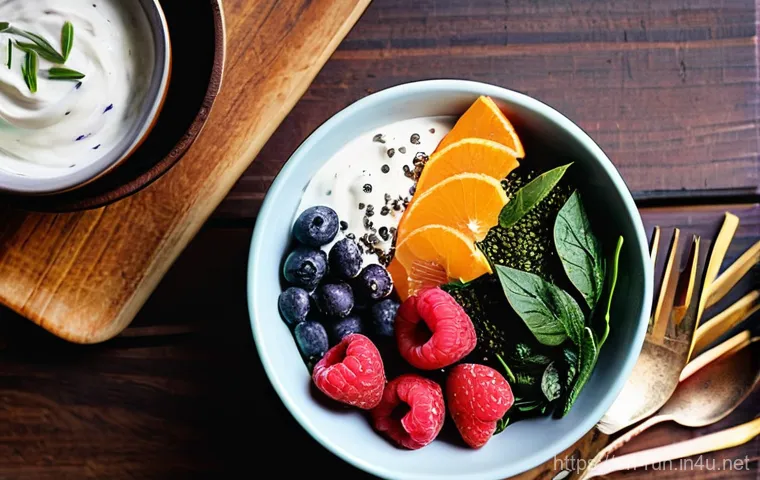
Let’s be real, life gets busy. Sometimes, after an amazing workout, you’ve got to dash to work, pick up the kids, or run errands. In those moments, a gourmet, perfectly plated meal just isn’t happening.
I’ve been there, thinking I’ll just grab something later, only to find myself starving an hour later and reaching for whatever processed snack is closest.
This is why having smart, quick, and effective post-workout snacks on hand is an absolute game-changer. It’s not about being obsessive; it’s about being prepared and making sure you’re giving your body what it needs when it needs it most, even when time is tight.
This proactive approach has saved me from countless energy crashes and regrettable snack choices, making my recovery much more consistent and enjoyable.
Grab-and-Go Options for Busy Days
This is where planning truly shines. I always keep a stash of easy-to-grab, nutrient-dense options. Hard-boiled eggs are a lifesaver – full of protein and super portable.
A small bag of mixed nuts and dried fruit (just watch the sugar content of the fruit!) provides a good mix of healthy fats, protein, and quick carbs. Individual Greek yogurt cups are fantastic, and pre-cut veggies with a small container of hummus are another excellent choice.
The key is to have them ready so there’s no excuse. I’ve found that even just 5 minutes of prep on a Sunday can make my post-workout fueling throughout the week so much smoother and more effective.
DIY Post-Workout Snacks: Easy & Delicious
If you have a few more minutes, making your own snacks can be incredibly satisfying and give you more control over ingredients. Energy balls made with oats, nut butter, and chia seeds are one of my favorites – they’re packed with protein, healthy fats, and complex carbs.
Smoothies, as I mentioned before, are super versatile; just blend protein powder, a banana, a handful of spinach, and some almond milk. Even something as simple as apple slices with a dollop of peanut butter can be a perfect, balanced snack that provides both quick energy and sustained fuel.
The beauty of DIY is that you can customize them to your taste and your specific nutritional needs.
Plant-Based Power: Fueling Your Recovery Green
For a long time, there was a misconception that serious athletes *needed* animal products to get enough protein for muscle recovery and growth. But let me tell you, that narrative is completely outdated!
I’ve personally seen incredible transformations, both in myself and in friends, by incorporating more plant-based foods into our post-workout routines.
It’s not just about ethics or sustainability; it’s about discovering a vast, delicious world of nutrient-dense options that can absolutely supercharge your recovery.
My energy levels have never been more consistent, and I find myself feeling lighter and less prone to digestive issues when I lean into more plant-centric meals.
If you’ve been hesitant to explore plant-based recovery, now is the time to open your mind – you might be surprised by the incredible benefits!
Maximizing Plant Protein Intake
The fear of not getting enough protein on a plant-based diet is often unfounded. There are so many fantastic plant-based protein sources out there! Think lentils, chickpeas, black beans, tofu, tempeh, edamame, quinoa, and even whole grains.
Combining different plant protein sources throughout the day (like rice and beans) ensures you get a complete amino acid profile, similar to animal protein.
After a workout, a hearty lentil soup, a tofu scramble with veggies, or a smoothie with plant-based protein powder (like pea or hemp) are all excellent choices.
It might take a little conscious planning at first, but once you get the hang of it, you’ll discover a world of flavorful and highly effective recovery meals that don’t rely on meat or dairy.
Nutrient Density in Plant Foods
Beyond protein, plant-based foods often come packed with an impressive array of vitamins, minerals, fiber, and antioxidants that are incredibly beneficial for recovery.
These micronutrients play vital roles in reducing inflammation, boosting your immune system, and supporting overall cellular repair. For example, a bowl of mixed berries not only offers quick carbs but also a huge hit of antioxidants.
Leafy greens add magnesium, potassium, and vitamins K and A. By opting for a diverse range of plant foods, you’re not just getting your macros; you’re providing your body with a symphony of micronutrients that work synergistically to enhance your recovery and promote long-term health.
It’s a holistic approach that truly nourishes your body from the inside out.
The Micronutrient Advantage: Don’t Forget the Details
We often get so caught up in macronutrients – protein, carbs, fats – that we overlook the silent but incredibly powerful players in our recovery: micronutrients.
These are the vitamins and minerals that, even in small amounts, are absolutely critical for every single bodily process, including muscle repair, energy production, and immune function.
I learned this the hard way after a period of feeling unusually fatigued despite hitting my macros perfectly. It turned out I was subtly deficient in a couple of key minerals.
It was a wake-up call that simply eating enough isn’t always enough; you need to ensure you’re getting a broad spectrum of these tiny titans. Paying attention to micronutrients is like fine-tuning a high-performance engine; it ensures everything runs optimally, helping you recover faster and perform better.
Vitamins and Minerals: The Supporting Cast
Think of vitamins like B vitamins for energy metabolism, Vitamin C for immune support and collagen synthesis, and Vitamin D for bone health and muscle function.
Minerals such as magnesium are crucial for muscle relaxation and reducing cramps, while zinc is vital for immune function and cell repair. While a balanced diet generally provides these, intense exercise can deplete certain micronutrients more rapidly.
I make an effort to include a wide variety of colorful fruits and vegetables, whole grains, and lean proteins to cover my bases. Sometimes, a high-quality multivitamin can be a helpful safeguard, especially if your diet isn’t always perfect, but whole foods should always be your primary source.
Tailoring Your Micronutrient Needs
What works for one person might not be ideal for another, and this is especially true for micronutrients. Factors like your activity level, gender, age, and even geographical location (think Vitamin D from sunlight!) can influence your specific needs.
For instance, someone engaging in heavy endurance training might need more iron or magnesium than someone doing lighter workouts. I’ve found that listening to my body and occasionally consulting with a nutritionist to review my diet has been incredibly insightful.
They can help identify any potential gaps and suggest targeted food choices or supplements if necessary. It’s all about finding that personalized sweet spot that keeps your body humming along efficiently, ready for whatever challenges you throw its way.
글을 마치며
And there you have it, my amazing fitness community! We’ve journeyed through the incredible world of post-workout nutrition, uncovering how the right foods can literally transform your recovery and supercharge your results. It’s truly amazing, isn’t it, how what you choose to eat after you’ve pushed your limits can have such a profound impact? I genuinely hope that sharing my personal experiences and these practical tips empowers you to approach your recovery with newfound confidence and excitement. Remember, your fitness journey isn’t just about the sweat and the struggle; it’s equally about the smart, thoughtful nourishment you give your body so it can come back stronger, faster, and more energized every single time. Here’s to fueling your greatness!
알아두면 쓸모 있는 정보
1. Hydration is Your Foundation: Don’t underestimate the power of proper rehydration beyond just plain water. Electrolytes are your unsung heroes, especially after intense or sweaty sessions. Consider natural options like coconut water or homemade electrolyte drinks with a pinch of sea salt and lemon to truly replenish what your body loses. This isn’t just about quenching thirst; it’s about restoring crucial mineral balance that impacts everything from muscle function to brain clarity. It’s a simple step that makes a monumental difference in how quickly you feel like yourself again, avoiding that post-workout slump. Trust me, your body will thank you for giving it the specific fluid support it craves to bounce back efficiently.
2. The Dynamic Duo: Carbs & Protein: For optimal muscle repair and energy replenishment, always aim for a balanced combination of protein and carbohydrates in your post-workout meal or snack. Protein helps rebuild those tired muscles, while carbs restock your depleted glycogen stores, giving you the energy you need to tackle the rest of your day and prepare for your next workout. This synergy is key; one without the other just isn’t as effective. Think of it as a pit stop in a race: you need both fuel and fresh tires to keep going strong. Experiment with different ratios to find what makes you feel best, but never skip this critical fueling window.
3. Inflammation Fighters on Your Plate: Combat post-exercise soreness and support faster recovery by incorporating anti-inflammatory foods into your diet. Berries, leafy greens, turmeric, ginger, and foods rich in Omega-3 fatty acids (like salmon or chia seeds) are fantastic for this. These nutritional powerhouses help reduce cellular damage and promote healing, allowing your body to recover more smoothly and efficiently. It’s a natural way to reduce discomfort and ensure you’re ready for your next challenge without relying solely on over-the-counter remedies. Making these vibrant foods a regular part of your meals will truly nourish your body from the inside out.
4. Happy Gut, Happy Recovery: Don’t overlook the crucial role of gut health in your overall recovery process. A healthy gut microbiome, supported by probiotics (from fermented foods like yogurt or kefir) and prebiotics (from oats, bananas, garlic), can significantly enhance nutrient absorption and boost your immune system. This means that all those amazing recovery foods you’re eating will be more effectively utilized by your body. When your gut is thriving, you’ll not only feel better overall but also experience more consistent energy levels and reduced inflammation, directly impacting your post-workout bounce-back time. It’s a foundational aspect of wellness that truly pays dividends.
5. Strategic Snacking for Success: Life is busy, and sometimes a full meal isn’t immediately possible after a workout. Prepare by having smart, convenient grab-and-go snacks ready. Think hard-boiled eggs, Greek yogurt, fruit with nut butter, or homemade energy balls. These quick options ensure you hit that crucial post-workout fueling window, preventing energy crashes and poor food choices later on. Proactive preparation is your secret weapon for consistent recovery and maintaining those hard-earned fitness gains, no matter how hectic your schedule gets. A little planning goes a long, long way in keeping your body optimally fueled and ready.
중요 사항 정리
At the end of the day, what I’ve truly learned on my own fitness journey is that consistent, thoughtful post-workout nutrition isn’t just an option; it’s absolutely fundamental to seeing real, sustainable progress. It’s not about perfection every single time, but about making informed choices that support your body’s incredible ability to adapt and grow stronger. Remember to prioritize thorough rehydration with electrolytes, fuel your muscles with a strategic blend of protein and complex carbohydrates, and actively reduce inflammation with antioxidant-rich foods. Don’t forget the unsung heroes of gut health and the strategic advantage of having quick, effective snacks on hand. By embracing these principles, you’re not just recovering; you’re building a more resilient, energetic, and high-performing version of yourself. Keep experimenting, keep learning, and most importantly, keep listening to your body – it’s always telling you what it needs to thrive. You’ve got this!
Frequently Asked Questions (FAQ) 📖
Q: What are the absolute best foods to eat right after a workout to refuel and recover quickly?
A: Oh, this is a question I get all the time, and for good reason! After you’ve pushed your body, whether it’s a grueling lifting session, a long run, or an intense yoga flow, your muscles are craving two main things: carbohydrates to restock your energy (glycogen) stores and protein to kickstart muscle repair and growth.
My personal go-to’s, which I’ve found incredibly effective, always hit these two marks. Think about a banana with a spoonful of almond butter – simple, quick, and the natural sugars in the banana get to work fast, while the almond butter adds some healthy fats and protein.
Another absolute winner in my book is Greek yogurt with some berries and a drizzle of honey. The Greek yogurt is a protein powerhouse, and the berries are packed with antioxidants to fight inflammation, which is a huge plus for recovery.
For something a bit more substantial, especially after a really tough session, I often whip up a smoothie. My secret blend? Spinach (you can’t taste it, I promise!), a scoop of your favorite protein powder (whey or plant-based, whatever floats your boat), half a banana, and some unsweetened almond milk.
It’s like a delicious, nutritious hug for your muscles! The key is to think “whole foods” that are easy to digest and rich in those vital macronutrients.
Q: How soon after my workout should I actually eat, and does the timing really matter that much?
A: Okay, so this is where a lot of people get caught up, and believe me, I’ve obsessed over it too! For a long time, there was this idea of a super-strict “anabolic window” where you absolutely had to eat within 30 minutes, or all your gains would vanish into thin air.
While it’s certainly beneficial to eat relatively soon after your workout, say within an hour or two, the science has become a lot more nuanced. What I’ve personally experienced, and what most experts now agree on, is that if you’ve had a decent pre-workout meal or snack, that “window” isn’t as tiny as we once thought.
The most important thing is to get those carbs and protein in at some point after your workout to properly initiate recovery. However, if you’re doing fasted training or it’s been several hours since your last meal, then yes, fueling up sooner rather than later becomes more critical.
Don’t stress yourself out trying to sprint home for a meal within minutes of leaving the gym. Focus on making it a consistent habit. For me, if I finish a workout, I usually grab a quick snack like a piece of fruit or a protein bar on my way out, and then aim for a more complete meal when I get home and settled.
Consistency and quality are far more important than hitting an exact minute mark.
Q: I’m trying to eat more plant-based; what are some amazing vegan/vegetarian options for post-workout recovery?
A: This is fantastic! The plant-based world offers an incredible array of delicious and effective options for post-workout recovery, and I’ve been experimenting with them a lot lately.
You absolutely don’t need animal products to refuel efficiently. For protein, think about lentils, chickpeas, black beans, tofu, tempeh, and edamame. These are all phenomenal sources that also bring fiber and other micronutrients to the table.
One of my favorite plant-based recovery meals is a hearty bowl of quinoa (great complex carbs and complete protein!) topped with roasted chickpeas, some avocado for healthy fats, and a generous squeeze of lemon.
It’s surprisingly filling and helps me bounce back feeling energized. Another fantastic option is a big plant-based smoothie. Instead of whey, I use a high-quality pea or brown rice protein powder, blend it with frozen berries, a handful of spinach, a tablespoon of chia or flax seeds (hello, omega-3s!), and some plant milk like oat or almond.
Trust me, it tastes amazing and delivers everything your muscles need. Don’t forget the power of nuts and seeds too – a handful of almonds or walnuts provides protein, healthy fats, and minerals that support overall recovery.
Eating plant-based for recovery is not only effective but can also introduce you to such a vibrant world of flavors and ingredients!