Finding the perfect running shoes can feel like a marathon in itself, right? I’ve been there, staring at walls of shoes online, completely overwhelmed by all the choices and wondering if I’m making the right call for my feet.
It’s so easy to end up with a pair that looks great but leaves you with aches and pains after a few miles. But what if I told you there’s a better way, a real game-changer that combines expert advice with the latest shoe technology?
Going beyond generic stores can literally transform your running experience, especially with the incredible advancements in gait analysis and personalized fitting we’re seeing today.
Let’s dive deeper and find out exactly where to find these specialized havens for runners and why they’re so essential.
The Unsung Heroes: Why Specialized Stores are a Game-Changer
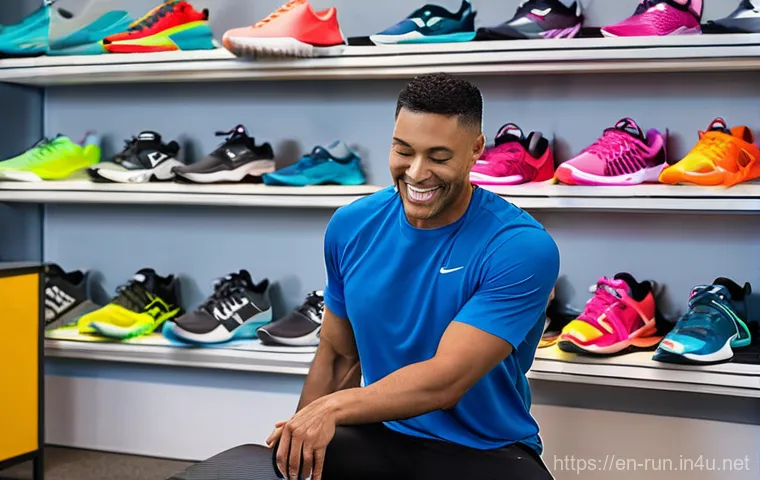
It’s easy to get caught up in the hype of a flashy online sale or the convenience of a big-box store, but when it comes to running shoes, I’ve learned the hard way that convenience can come at a steep price – usually in the form of aching feet or even injuries.
For years, I just picked whatever looked good or was on discount, thinking all running shoes were pretty much the same. Boy, was I wrong! Stepping into a specialized running store for the first time was like having my eyes opened.
These aren’t just places to buy shoes; they’re hubs of knowledge and passion, staffed by people who live and breathe running. They understand the nuances of different foot strikes, pronation, and the unique demands of various running terrains.
This level of expertise simply isn’t something you’ll find from a quick online quiz or a sales assistant who mainly sells everyday sneakers. It’s a completely different league.
They’re not just selling you a product; they’re investing in your running journey and genuinely want you to succeed and stay pain-free. It feels less like a transaction and more like a consultation with a trusted advisor.
Beyond the Box Store Experience
Walking into a generic sports store can be overwhelming. You’re faced with rows upon rows of shoes, often organized by brand or color, with little to no guidance on what makes one pair different from the next for *your* specific needs.
I remember feeling completely lost, just picking a pair that “looked comfortable” or had a cool design. That approach led to countless uncomfortable runs and even shin splints, which eventually made me dread my morning jogs.
Specialized stores, on the other hand, are designed with the runner in mind. The staff are typically runners themselves, armed with practical experience and in-depth training on shoe technology, biomechanics, and injury prevention.
They’re not just reading labels; they’re sharing insights from their own miles and from helping countless other runners. It’s truly a bespoke service that focuses on your unique biomechanics, rather than just your shoe size, ensuring you get a shoe that supports your body in motion, not just standing still.
The Hidden Value of Expert Advice
The real magic of a specialized running store lies in the human connection and the depth of knowledge you gain. It’s not just about trying on shoes; it’s about understanding *why* certain shoes work for you and others don’t.
The staff often share tips on lacing techniques, sock choices, and even how different training plans might impact your footwear needs. I recall one time, a specialist pointed out a subtle asymmetry in my stride that I had never noticed, recommending a specific lacing pattern that immediately relieved pressure on my instep.
That kind of personalized attention is invaluable. They take the time to listen to your running history, your goals, and any past issues you’ve had. This comprehensive approach means you walk out not just with a new pair of shoes, but with a better understanding of your own body and how to support it, making every subsequent run more enjoyable and sustainable.
Unlocking Your Stride: The Magic of Gait Analysis
If you haven’t experienced a proper gait analysis, you’re truly missing out on a revolutionary step in finding the right running shoes. When I first heard about it, I thought it sounded a bit intimidating, like some high-tech lab experiment.
But let me tell you, it’s nothing like that! It’s an incredibly insightful process that essentially gives you a peek into how your body moves when you run.
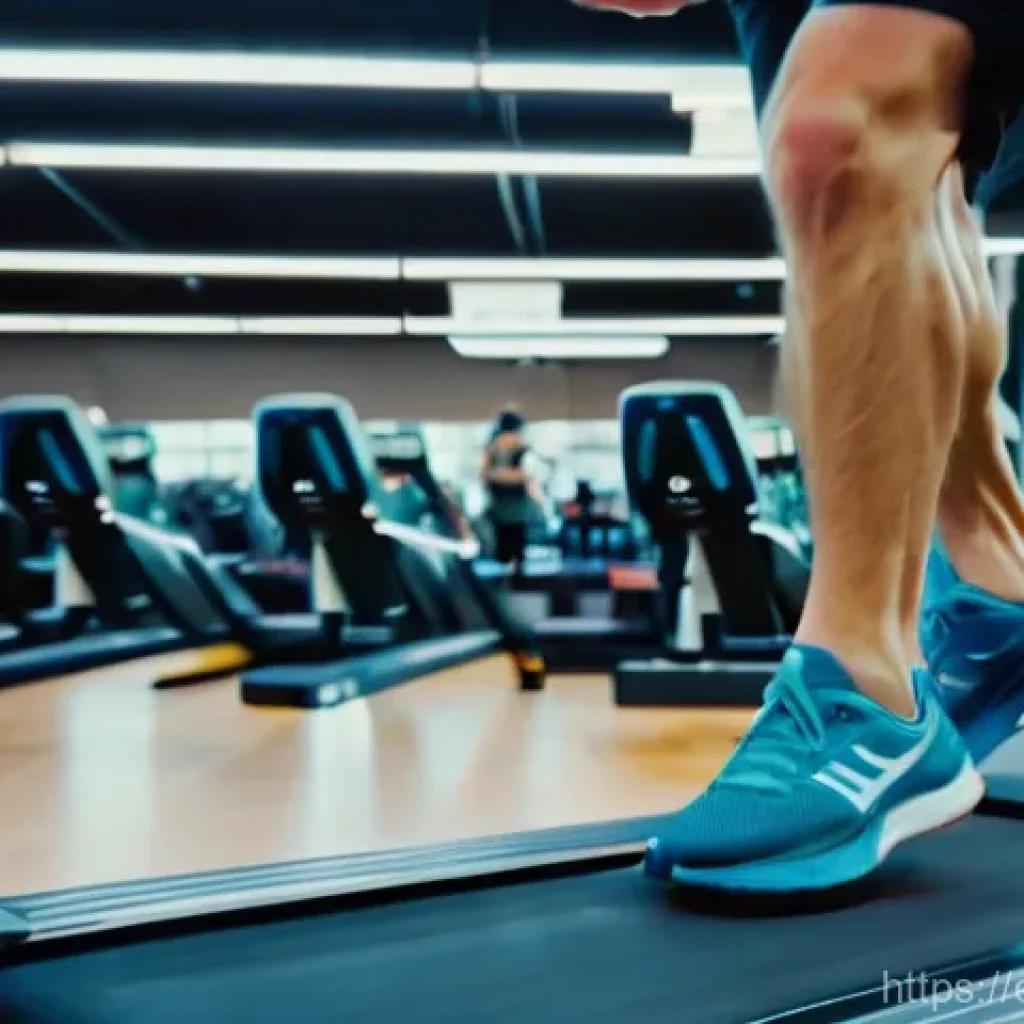
The staff typically have you run a short distance on a treadmill, or sometimes even outside, while they film your feet and legs. Then, they play it back in slow motion, often explaining what they’re seeing in real-time.
It’s fascinating to watch your own feet and ankles in action, realizing things about your pronation (how your foot rolls inward) or supination (how it rolls outward) that you’d never know otherwise.
This visual feedback is a total game-changer, moving beyond guesswork to objective data. I remember being astonished to see how much my left foot pronated compared to my right, explaining why I often felt more discomfort on one side.
This analysis helps them pinpoint the specific type of support you need, whether it’s stability, motion control, or neutral cushioning.
Demystifying Your Foot’s Movement
Before my first gait analysis, I used to just assume my feet were “normal.” I didn’t think about pronation or supination, or how my foot strike might influence my choice of shoe.
But during the analysis, watching the video playback, it became incredibly clear. The specialist pointed out how my arch collapsed slightly upon impact, indicating a need for more stability.
They explained it in simple terms, using analogies that made sense, rather than technical jargon. It wasn’t about finding fault with my running style, but about understanding my body’s natural mechanics.
This understanding is crucial because the wrong shoe can exacerbate natural tendencies, leading to inefficiencies and discomfort, or worse, injury. For example, someone with overpronation wearing a neutral shoe might experience knee pain, whereas a stability shoe would help guide their foot into a more optimal alignment.
It’s truly about harmonizing your footwear with your body’s unique movement patterns.
From Treadmill to Tailored Fit
The best part about gait analysis is how seamlessly it transitions into the actual shoe fitting. Once they understand your biomechanics, the specialists can narrow down the vast array of shoes to a select few that are truly suitable for you.
Instead of trying on twenty pairs, you might try on three or four that are perfectly aligned with your needs. You then get to test these on the treadmill, feeling the difference immediately.
It’s not just about comfort in the store; it’s about comfort and support when you’re actually running. I vividly remember trying on a pair that, based on the gait analysis, was supposed to be perfect for me.
The moment I started running in them, it was like night and day. My feet felt cradled, supported, and my stride felt more efficient. It wasn’t just a shoe; it felt like an extension of my body, working *with* me, not against me.
This personalized, data-driven approach takes all the guesswork out of shoe shopping and truly delivers a tailored fit that can elevate your running experience significantly.
Beyond the Basics: What to Expect from a Proper Fitting
So, you’ve decided to hit up a specialized running store – brilliant choice! But what exactly does a “proper fitting” entail? It’s far more than just measuring your foot with a Brannock device.
While that’s a good starting point, it’s really just the tip of the iceberg. A truly comprehensive fitting session involves a deep dive into your running history, any past injuries or discomforts, your typical mileage, and even your running goals.
The specialists want to understand the full picture, not just your shoe size. They’ll ask about your current shoes, what you like or dislike about them, and what kind of surfaces you usually run on.
This holistic approach ensures they recommend shoes that aren’t just technically correct, but also align with your personal preferences and lifestyle.
It’s like a detective trying to solve the mystery of your perfect run, gathering all the clues to give you the best possible outcome. Don’t be shy about sharing details; the more information you provide, the better equipped they are to help you.
More Than Just Size: Understanding Volume and Width
One of the biggest revelations for me during a proper fitting was realizing that shoe size isn’t just about length; width and volume play a huge role too.
I always assumed I was a standard “size 8,” but turns out, my feet are actually a bit wider than average, especially in the forefoot. Wearing shoes that were too narrow caused constant rubbing and blistering, which I just put down to “breaking in” the shoes.
It never occurred to me that I simply needed a wider fit! A good fitting specialist will assess the overall volume and width of your foot, ensuring the shoe accommodates your foot shape without constricting it.
They’ll also check for things like bunions, hammertoes, or high insteps, which can all affect how a shoe fits and feels. It’s not uncommon for people to go up half a size or choose a wider model once they experience a truly correct fit.
The goal is to have enough room for your toes to splay naturally, preventing discomfort and potential nerve issues, while still feeling secure and snug through the midfoot.
Trying Before Buying: The Test Run Difference
This is where the rubber meets the road, literally. After the gait analysis and initial recommendations, you’ll get to actually *run* in the shoes. Many specialized stores have a short track or a treadmill right there, allowing you to get a real feel for how the shoes perform.
Don’t just walk around; take them for a proper jog! Pay attention to how your foot strikes, how the cushioning feels, and if there are any pinch points or areas of discomfort.
I make it a point to do a few accelerations and even some simulated turns to see how responsive the shoe is. It’s completely different from just walking around a department store.
This crucial step helps confirm that the chosen shoe not only looks good on paper but truly feels right for *your* body in motion. If a shoe doesn’t feel right after a quick test run, don’t hesitate to say so.
A good specialist will encourage this honesty and happily bring out another option until you find “the one.”
The Shoe Whisperers: Finding Your Local Running Experts
Finding these specialized havens for runners might seem a bit like searching for a needle in a haystack, especially if you’re used to the convenience of online shopping.
However, trust me, the effort is incredibly worthwhile. These aren’t just any stores; they’re often integral parts of the local running community, fostering connections and providing invaluable resources beyond just selling gear.
The best way to track them down is usually through word-of-mouth. Ask fellow runners in your local running clubs, at charity races, or even at your gym.
Runners love to share their experiences, and they’ll be quick to point you towards the places that have genuinely helped them. I personally discovered my favorite local running store through a recommendation from a friend after complaining about persistent knee pain.
Their advice completely changed my running game, and now I’m the one recommending them to everyone! These establishments thrive on repeat business and positive reputation, so you can generally trust the recommendations you receive from seasoned runners.
Community Hubs and Trusted Recommendations
Beyond the personal recommendations, these specialized stores often act as community hubs. They might host local running groups, organize fun runs, or sponsor local races.
This deep integration into the running community makes them easily discoverable and highly trusted. Check out local running club websites, Facebook groups dedicated to running in your area, or even community event listings.
Often, these stores will be featured prominently. Online reviews are another great resource, but always look for reviews that mention the quality of the fitting experience, the expertise of the staff, and the overall customer service, rather than just product variety or pricing.
A store that consistently receives praise for its knowledgeable staff and personalized service is usually a good bet. It’s truly amazing how supportive these communities are, and once you find your local “shoe whisperer,” you’ll wonder how you ever managed without them.
Online Research Meets Local Gem
While the personal touch is paramount, a little online research can also go a long way in identifying potential stores. Start with a simple Google search for “running shoe store + [your city/town]” or “gait analysis + [your city/town]”.
Look at their websites to see if they emphasize personalized fittings, gait analysis, and have staff bios that highlight their running experience. Many stores will even detail their fitting process online, giving you a good idea of what to expect.
Pay attention to their social media presence too; active engagement with the local running scene is often a good indicator. Once you have a shortlist, check their hours and perhaps even give them a call.
I’ve found that a quick chat on the phone can often confirm if they offer the kind of in-depth service I’m looking for. It’s about combining the efficiency of online tools with the irreplaceable value of local, specialized expertise.
Investment in Comfort: Understanding the Value of Premium Footwear

Now, let’s talk about the elephant in the room: the price tag. Specialized running shoes, especially those recommended after a thorough gait analysis, can sometimes seem a bit pricey compared to what you might find at a discount store.
I totally get it; my wallet used to wince too! However, I’ve come to understand that viewing running shoes as a simple commodity is a huge mistake. These aren’t just shoes; they are critical pieces of equipment designed to protect your body, enhance your performance, and ultimately, keep you running comfortably for longer.
Think of them as an investment in your health and your passion. The cushioning, support, and technology packed into these shoes are the result of extensive research and development.
When you consider the cost of potential injuries, physical therapy, or simply the mental toll of constant discomfort, that initial investment starts to look incredibly reasonable.
I mean, what’s a few extra dollars when it means avoiding weeks of hobbling around with a sore knee?
Why a Higher Price Often Means Fewer Pains
It might sound cliché, but with running shoes, you often truly get what you pay for. The higher price point usually reflects superior materials, advanced sole technologies, and a more robust construction designed to withstand the repetitive impact of running.
These shoes are engineered to provide specific types of support and cushioning that are tailored to different foot types and running styles. For instance, a stability shoe designed to mitigate overpronation uses a denser foam on the medial side of the sole, which costs more to develop and produce than a simple, uniform foam.
This specialized engineering directly translates to better impact absorption, proper foot alignment, and reduced strain on your joints and muscles. My own experience taught me this lesson vividly: after years of cheap shoes and chronic Achilles pain, switching to a properly fitted, higher-quality pair virtually eliminated the issue.
It was a revelation!
| Feature | Generic Sports Store | Specialized Running Store |
|---|---|---|
| Staff Expertise | Limited, general knowledge | Extensive, running-specific knowledge |
| Gait Analysis | Rarely offered | Standard practice, video analysis |
| Shoe Selection | Broad, general athletics focus | Curated for running, diverse support types |
| Personalized Fit | Based on basic size | Comprehensive, considers biomechanics, width, volume |
| Post-Purchase Support | Minimal | Advice on care, injury prevention, follow-ups |
Longevity and Performance: The True Cost
Another aspect to consider is the longevity and consistent performance of a premium running shoe. While a cheaper shoe might feel okay initially, its cushioning and support structures tend to break down much faster under the stress of running.
This means you’ll be replacing them more frequently, and risking injury in the meantime. A quality running shoe is designed to maintain its integrity and supportive properties for hundreds of miles, providing consistent performance throughout its lifespan.
This means fewer replacements over time, which can actually make the “more expensive” shoe a more economical choice in the long run. Plus, the consistent support allows you to maintain better running form, which translates to improved efficiency and enjoyment.
For me, knowing my shoes are doing their job, mile after mile, gives me the confidence to push myself and enjoy every step without worrying about my feet or joints.
It truly enhances the overall running experience, making it more about the joy of movement and less about managing discomfort.
Maintaining Your Mojo: Post-Purchase Care and Advice
So, you’ve invested in a fantastic new pair of running shoes after a stellar fitting experience. Awesome! But the journey doesn’t end when you leave the store.
Taking good care of your shoes is crucial for extending their lifespan and ensuring they continue to provide the support and cushioning you paid for. I’ve seen far too many fellow runners treat their expensive shoes like any old pair of sneakers, throwing them in the washing machine or leaving them in the scorching sun.
Trust me, a little TLC goes a long way. Proper care isn’t just about making them last; it’s about maintaining their structural integrity, which directly impacts your comfort and injury prevention.
Think of them as a finely tuned instrument that needs gentle handling to perform at its best. After all the effort you put into finding them, it would be a shame to compromise their performance through neglect!
Extending the Life of Your Running Companions
First things first: avoid extreme heat! Never put your running shoes in a clothes dryer or leave them baking in a hot car. The heat can break down the adhesives and compromise the cushioning materials, making them less effective.
If your shoes get wet, remove the insoles and stuff them with newspaper to absorb moisture, then let them air dry naturally in a cool, well-ventilventilated spot.
As for cleaning, skip the washing machine. A gentle hand wash with mild soap and water is usually sufficient for removing dirt and grime from the upper.
Use an old toothbrush for tough spots. Regularly cleaning them not only keeps them looking good but also prevents dirt and debris from wearing down the materials.
I also make it a habit to untie my shoes properly after each run instead of just kicking them off; this helps preserve the heel counter and the lacing system, ensuring a consistent fit every time.
It’s all those little things that add up to significant longevity.
When to Say Goodbye: Knowing When to Replace
Even with the best care, running shoes have a finite lifespan. Knowing when to replace them is perhaps one of the most important pieces of advice I can offer.
Most running shoes are generally good for anywhere between 300 to 500 miles, but this can vary depending on your weight, running style, and the type of terrain you run on.
Beyond mileage, listen to your body and look for visual cues. If you start experiencing old aches and pains that had disappeared with your new shoes, it’s a huge red flag.
Visually, check the outsole for significant wear patterns, especially where you strike the ground. The midsole, which provides the cushioning, might also start to feel compressed or lose its bounce.
You might even notice wrinkles in the foam. Don’t wait until the cushioning is completely flat or you’re in pain to replace them. By the time they’re visibly “dead,” they’ve likely been ineffective for a while.
Swapping them out proactively will save you a lot of discomfort and keep you running strong.
Common Pitfalls to Avoid When Shopping for Runners
Navigating the world of running shoe shopping can be tricky, even with all the expert advice out there. I’ve made my share of mistakes over the years, from succumbing to tempting sales to ignoring my body’s subtle signals.
These pitfalls can not only cost you money but, more importantly, lead to discomfort, inefficiency, and even injuries that sideline you from the sport you love.
It’s so easy to get swayed by aesthetics or what your running buddy swears by, but remember, what works for one person might be entirely wrong for another.
My biggest learning curve was understanding that my feet are unique, and what I needed wasn’t necessarily what was popular or trendy. Avoiding these common blunders can save you a lot of frustration and ensure that every run is a joyous experience, not a painful ordeal.
Don’t Just Go for Looks: Functionality First
It’s tempting, isn’t it? That bright, flashy pair with the cool design catches your eye, and suddenly, you’re convinced they’re “the one.” I used to fall for this all the time.
I’d prioritize color schemes or sleek profiles over actual biomechanical fit. And every single time, I regretted it. The most beautiful shoe in the world won’t do your feet any favors if it doesn’t provide the right support or cushioning for your specific stride.
A good running shoe is a tool, not a fashion accessory. While there’s nothing wrong with wanting a shoe that looks good, its primary function should always be to support your running effectively and comfortably.
Trust the process of gait analysis and expert fitting, even if the recommended shoe isn’t the prettiest one on the shelf. Your feet (and your knees, hips, and back!) will thank you for prioritizing functionality over aesthetics.
I promise you, the joy of a pain-free run far outweighs the fleeting satisfaction of a stylish but unsuitable shoe.
Ignoring Your Body’s Signals: Listen to Your Feet
This is probably the biggest mistake I see runners make, and honestly, it’s one I’ve been guilty of myself. We push through discomfort, attributing it to “breaking in” new shoes or just “part of running.” But your body, especially your feet, is constantly sending you messages.
A pinch, a rub, a persistent ache – these are not things to ignore. They are critical signals that something isn’t quite right. If a shoe feels uncomfortable during your test run, or even worse, after your first few miles, it’s probably not the right shoe for you.
Don’t try to force it or hope it will “get better.” It rarely does. Listen to those signals immediately. This goes back to the importance of a good fitting specialist who encourages honest feedback.
If you feel any discomfort, articulate it clearly. It’s their job to find a solution, and your job to advocate for your own comfort and health. Learning to truly tune into what my body was telling me revolutionized my running experience, transforming it from a battle against discomfort into a harmonious, enjoyable activity.
글을 마치며
And there you have it, fellow runners! My personal journey has shown me that investing in the right running shoes, guided by true experts, isn’t just a purchase – it’s a vital investment in your health and passion. The personalized insights from a gait analysis and the tailored recommendations from a specialized store truly make all the difference. It’s about empowering your stride, protecting your body, and ultimately, finding more joy in every single mile you conquer. Trust me, your feet will thank you for it!
알아두면 쓸모 있는 정보
1. Seek Out Specialized Running Stores: These stores offer unparalleled expertise, personalized service, and staff who are often runners themselves, ensuring you get advice from genuinely experienced individuals who understand the nuances of running footwear.
2. Embrace Gait Analysis: This objective, video-based assessment of your running form is a game-changer. It helps pinpoint your unique biomechanics, like pronation or supination, allowing specialists to recommend shoes that perfectly match your body’s needs and prevent injuries.
3. Prioritize Fit Over Aesthetics: While a good-looking shoe is nice, its primary role is to support your feet. Don’t let trends or colors dictate your choice; focus on proper fit, width, and volume, ensuring ample room for your toes and secure midfoot support.
4. Test Run Before You Buy: Never skip the opportunity to actually run in the shoes on a treadmill or track within the store. This crucial step lets you feel how the shoes perform under impact, ensuring comfort and responsiveness during actual running, not just walking.
5. Understand the Value of Your Investment: High-quality running shoes might come with a higher price tag, but they are an investment in your health, performance, and injury prevention. Superior materials and technology offer better support and last longer, potentially saving you more in the long run by avoiding discomfort and medical costs.
중요 사항 정리
In essence, making the right choice for your running shoes is a journey that goes beyond mere shopping; it’s a commitment to your athletic well-being. My experience has shown me time and again that the expertise found in specialized running stores, coupled with an objective gait analysis, creates an unbeatable combination for finding your perfect pair. It’s about listening to your body, trusting the professionals, and understanding that what you put on your feet directly impacts every stride, every mile, and ultimately, your love for running. Don’t underestimate the power of a truly tailored fit – it’s the foundation for pain-free, enjoyable runs that keep you coming back for more. Think of your shoes as your most crucial piece of running equipment, and treat the selection process with the importance it deserves. This thoughtful approach ensures you not only avoid common pitfalls but also unlock your full running potential, making every outing a genuinely harmonious experience with your body and the pavement.
Frequently Asked Questions (FAQ) 📖
Q: I totally get that finding the “perfect” running shoe is a big deal, but honestly, why can’t I just snag a cool-looking pair from a big-box store or click ‘add to cart’ on a sweet deal online like I usually do? It feels like such a chore sometimes!
A: Oh, trust me, I’ve been exactly where you are! I used to think the same thing – grab a pair that looks good, maybe has a brand name I recognize, and call it a day.
But after far too many runs ending with aching knees, pesky shin splints, or even just general foot fatigue, I realized something crucial: running shoes aren’t just about aesthetics or a good price tag.
Every single one of us has a unique stride, foot shape, and running style, and a generic shoe just can’t cater to that. When you buy from a place that doesn’t understand your specific needs, you’re essentially guessing, and that gamble often leads to discomfort, poor performance, and even injuries.
I learned the hard way that investing a little more time and thought upfront saves a ton of pain and money down the road. It’s like trying to wear someone else’s glasses – they might look fine, but they won’t help you see clearly, right?
Your feet deserve shoes that are literally built for them.
Q: You mentioned “gait analysis” and “personalized fitting” as game-changers. That sounds super fancy, but what exactly are they, and how do they really make such a big difference compared to just trying on a few pairs in a store?
A: You’re right, they might sound a bit intimidating at first, but honestly, they’re revolutionary! Think of gait analysis as a detective mission for your feet and how they move.
Essentially, a specialist will watch you run – often on a treadmill, sometimes even outdoors – and use high-speed cameras and specialized software to analyze every tiny detail of your stride.
They look at things like how your foot lands, how much it rolls inward or outward (pronation), your foot strike pattern, and even your posture. This isn’t just a quick glance; it’s a deep dive into your biomechanics!
Personalized fitting then takes that incredible data and combines it with an understanding of your running goals, any past injuries, and even the types of surfaces you run on.
They’ll then recommend specific shoe types, brands, and even models that truly complement your unique gait. I’ve personally experienced this, and the difference is night and day.
It’s like going from a one-size-fits-all approach to having a tailor-made solution for your feet. It’s not just about comfort; it’s about efficiency, injury prevention, and genuinely enjoying every single mile.
Q: Okay, I’m convinced! So, if I want to ditch the guessing game and find shoes that actually work for me, where do I even begin to look for these “specialized havens” or expert fitting services?
A: re they hard to find? A3: Absolutely not hard to find, and I’m so glad you’re ready to make the leap! These specialized havens are typically your local, independent running stores.
Often, they’re not the huge chains you see in every mall, but rather smaller, community-focused shops run by passionate runners themselves. My best advice for finding one near you is to simply do a quick online search for “running shoe store with gait analysis” or “specialized running shop” plus your city or zip code.
Another fantastic way is to ask other runners in your local community – check out local running club forums, Facebook groups, or even just strike up a conversation with someone you see out on a run.
Word-of-mouth is incredibly powerful in the running world! When you call or visit, don’t be shy about asking if they offer gait analysis or a personalized fitting service.
A truly dedicated store will be thrilled to walk you through their process. You’ll quickly see that these places aren’t just selling shoes; they’re selling better running experiences, and that, my friends, is priceless.