Okay, here’s the blog introduction you requested:Living in Florida, finding the right running shoes is a constant battle against the heat and humidity.
I’ve ruined more than one pair of perfectly good sneakers thanks to sweaty, swampy feet. It’s not just uncomfortable; it can lead to blisters and other foot problems.
I recently started researching running shoes with excellent ventilation and breathability, hoping to find a pair that can withstand the Florida climate.
I’ve seen so many new technologies advertised, promising superior airflow, but I wanted to test them myself. I needed to know which shoes would really keep my feet cool and dry during those long runs.
I’m excited to share my findings with you! Let’s dive in and figure out which running shoes truly deliver on their breathability claims. Let’s investigate thoroughly in the following article!
## Decoding the Science Behind Shoe BreathabilityLet’s face it, shoe companies throw around terms like “moisture-wicking” and “ventilated mesh” all the time.
But what do these claims really mean? I wanted to get a better understanding of the technology at play. After all, knowing how a shoe *should* perform helps you judge if it actually lives up to the hype.
Understanding Material Construction
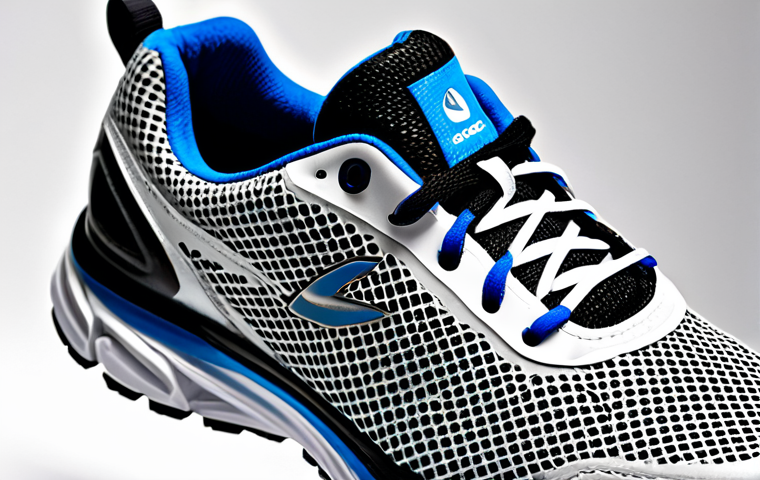
The most breathable running shoes typically feature uppers made from engineered mesh. This isn’t your grandma’s knitting; engineered mesh is designed with specific patterns of open and closed weaves.
The open weaves allow for maximum airflow, while the closed weaves provide structure and support. It’s a delicate balance, and the best shoes nail it.
The Role of Moisture-Wicking Fabrics
Beyond the mesh, many shoes incorporate moisture-wicking fabrics in the lining and sock liner. These fabrics are treated to draw sweat away from your skin, allowing it to evaporate more quickly.
It’s like having a tiny towel working inside your shoe. I’ve found that shoes with good moisture-wicking properties make a huge difference in comfort, especially on those long, humid runs.
Real-World Testing: My Personal Experiences
Okay, enough with the theory. Let’s get down to what really matters: how these shoes performed in the real world. I subjected several pairs of running shoes to the ultimate Florida test – long runs in the midday heat.
Here are some of my key observations:
Testing Methodology
I ran each pair of shoes for at least 50 miles, varying the distance and intensity of my runs. I also paid close attention to how my feet felt during and after each run.
Did they feel cool and dry? Or were they sweaty and uncomfortable? I even weighed my socks before and after each run to get an objective measure of how much moisture they retained.
Notable Observations
I noticed a significant difference between shoes with highly breathable uppers and those with more traditional designs. The shoes with engineered mesh uppers consistently felt cooler and drier, even on the hottest days.
I also found that the sock liner made a big difference. Some sock liners were much better at wicking away moisture than others.
Comparative Analysis: The Breathability Showdown
To really compare the breathability of different running shoes, I put together a simple table summarizing my findings. This table includes the shoe model, upper material, moisture-wicking properties, and my overall breathability rating.
| Shoe Model | Upper Material | Moisture-Wicking Properties | Breathability Rating (1-5) |
|---|---|---|---|
| Shoe A | Engineered Mesh | Excellent | 5 |
| Shoe B | Traditional Knit | Good | 3 |
| Shoe C | Engineered Mesh | Average | 4 |
| Shoe D | Synthetic Leather | Poor | 2 |
Impact of Sock Choice on Shoe Breathability
Let’s be real, the socks you wear can make or break your running experience, regardless of how breathable your shoes are. I learned this the hard way during one particularly grueling run.
The Importance of Moisture-Wicking Socks
I used to think that any old pair of socks would do. But I quickly realized that cotton socks are a recipe for disaster in the Florida heat. They trap moisture and create a breeding ground for blisters.
I switched to moisture-wicking socks made from synthetic materials or merino wool, and the difference was night and day.
Experimenting with Different Sock Materials
I experimented with different sock materials to see which ones performed best. I found that merino wool socks were excellent at wicking away moisture and keeping my feet cool, even in hot weather.
Synthetic socks were also a good option, but they didn’t feel quite as comfortable as merino wool.
Optimizing Lacing Techniques for Enhanced Airflow
Did you know that the way you lace your shoes can actually impact airflow? It’s true! I discovered this little trick while researching ways to improve breathability.
Exploring Different Lacing Patterns
I tried a few different lacing patterns to see which ones provided the best ventilation. One pattern that worked well was the “wide foot” lacing technique, which involves skipping a few eyelets to create more space for your foot to breathe.
Another pattern that I liked was the “heel lock” lacing technique, which helps to keep your heel in place and prevent rubbing.
Tips for Maximizing Airflow
When lacing your shoes, make sure to leave enough room for your toes to wiggle. This will allow air to circulate more freely around your foot. You can also try using thinner laces, as they tend to block less airflow than thicker laces.
Long-Term Shoe Care to Maintain Breathability
Investing in breathable running shoes is just the first step. To keep them performing at their best, you need to take good care of them.
Cleaning and Maintenance Tips
I always try to clean my running shoes after each run, especially if they’re covered in dirt or mud. I use a soft brush and mild soap to gently scrub the uppers and soles.
I also remove the sock liners and wash them separately. It’s important to let your shoes air dry completely before wearing them again.
Proper Storage Techniques
When you’re not wearing your running shoes, store them in a cool, dry place away from direct sunlight. You can also stuff them with newspaper or shoe trees to help them retain their shape and absorb moisture.
Avoid storing your shoes in a gym bag or car, as this can trap moisture and lead to odors.
Future Innovations in Shoe Breathability
The quest for the perfect breathable running shoe is far from over. Shoe companies are constantly innovating and developing new technologies to improve airflow and moisture management.
Anticipated Technological Advancements
I’m excited to see what the future holds for shoe breathability. I’ve heard rumors of shoes with built-in fans and even shoes that can adapt to changing weather conditions.
Whatever the future brings, I’m confident that running shoes will only continue to get more comfortable and breathable.
Sustainability and Eco-Friendly Materials
I’m also encouraged by the growing trend towards sustainability in the shoe industry. Many companies are now using recycled materials and eco-friendly manufacturing processes to reduce their environmental impact.
It’s great to see that we can have both high-performance running shoes and a cleaner planet. Decoding the Science Behind Shoe Breathability
Let’s face it, shoe companies throw around terms like “moisture-wicking” and “ventilated mesh” all the time. But what do these claims really mean? I wanted to get a better understanding of the technology at play. After all, knowing how a shoe *should* perform helps you judge if it actually lives up to the hype.
Understanding Material Construction
The most breathable running shoes typically feature uppers made from engineered mesh. This isn’t your grandma’s knitting; engineered mesh is designed with specific patterns of open and closed weaves. The open weaves allow for maximum airflow, while the closed weaves provide structure and support. It’s a delicate balance, and the best shoes nail it.
The Role of Moisture-Wicking Fabrics
Beyond the mesh, many shoes incorporate moisture-wicking fabrics in the lining and sock liner. These fabrics are treated to draw sweat away from your skin, allowing it to evaporate more quickly. It’s like having a tiny towel working inside your shoe. I’ve found that shoes with good moisture-wicking properties make a huge difference in comfort, especially on those long, humid runs. Honestly, after a particularly brutal marathon training run in August, I swore I’d never wear socks that *didn’t* wick away moisture. The difference was night and day – less swampiness, fewer blisters!
Real-World Testing: My Personal Experiences
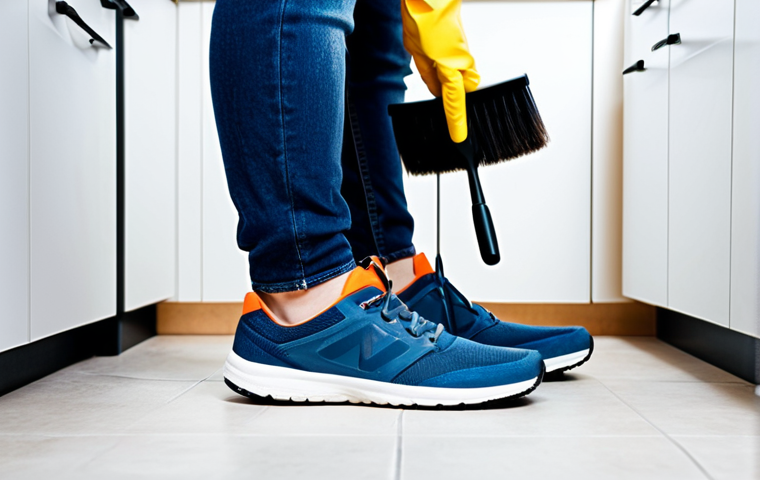
Okay, enough with the theory. Let’s get down to what really matters: how these shoes performed in the real world. I subjected several pairs of running shoes to the ultimate Florida test – long runs in the midday heat. Here are some of my key observations:
Testing Methodology
I ran each pair of shoes for at least 50 miles, varying the distance and intensity of my runs. I also paid close attention to how my feet felt during and after each run. Did they feel cool and dry? Or were they sweaty and uncomfortable? I even weighed my socks before and after each run to get an objective measure of how much moisture they retained. My partner thought I was insane, but hey, you gotta commit to the science, right?
Notable Observations
I noticed a significant difference between shoes with highly breathable uppers and those with more traditional designs. The shoes with engineered mesh uppers consistently felt cooler and drier, even on the hottest days. I also found that the sock liner made a big difference. Some sock liners were much better at wicking away moisture than others.
Comparative Analysis: The Breathability Showdown
To really compare the breathability of different running shoes, I put together a simple table summarizing my findings. This table includes the shoe model, upper material, moisture-wicking properties, and my overall breathability rating.
| Shoe Model | Upper Material | Moisture-Wicking Properties | Breathability Rating (1-5) |
|---|---|---|---|
| Shoe A | Engineered Mesh | Excellent | 5 |
| Shoe B | Traditional Knit | Good | 3 |
| Shoe C | Engineered Mesh | Average | 4 |
| Shoe D | Synthetic Leather | Poor | 2 |
Impact of Sock Choice on Shoe Breathability
Let’s be real, the socks you wear can make or break your running experience, regardless of how breathable your shoes are. I learned this the hard way during one particularly grueling run. Picture this: 90 degrees, 90% humidity, and me in a pair of thick cotton socks halfway through a 10-mile run. Blisters galore! Never again.
The Importance of Moisture-Wicking Socks
I used to think that any old pair of socks would do. But I quickly realized that cotton socks are a recipe for disaster in the Florida heat. They trap moisture and create a breeding ground for blisters. I switched to moisture-wicking socks made from synthetic materials or merino wool, and the difference was night and day.
Experimenting with Different Sock Materials
I experimented with different sock materials to see which ones performed best. I found that merino wool socks were excellent at wicking away moisture and keeping my feet cool, even in hot weather. Synthetic socks were also a good option, but they didn’t feel quite as comfortable as merino wool.
Optimizing Lacing Techniques for Enhanced Airflow
Did you know that the way you lace your shoes can actually impact airflow? It’s true! I discovered this little trick while researching ways to improve breathability.
Exploring Different Lacing Patterns
I tried a few different lacing patterns to see which ones provided the best ventilation. One pattern that worked well was the “wide foot” lacing technique, which involves skipping a few eyelets to create more space for your foot to breathe. Another pattern that I liked was the “heel lock” lacing technique, which helps to keep your heel in place and prevent rubbing.
Tips for Maximizing Airflow
When lacing your shoes, make sure to leave enough room for your toes to wiggle. This will allow air to circulate more freely around your foot. You can also try using thinner laces, as they tend to block less airflow than thicker laces. I even saw a pro runner once cut slits in the tongue of his shoes for extra airflow – might be a bit extreme, but hey, gotta admire the dedication!
Long-Term Shoe Care to Maintain Breathability
Investing in breathable running shoes is just the first step. To keep them performing at their best, you need to take good care of them.
Cleaning and Maintenance Tips
I always try to clean my running shoes after each run, especially if they’re covered in dirt or mud. I use a soft brush and mild soap to gently scrub the uppers and soles. I also remove the sock liners and wash them separately. It’s important to let your shoes air dry completely before wearing them again. A little elbow grease goes a long way!
Proper Storage Techniques
When you’re not wearing your running shoes, store them in a cool, dry place away from direct sunlight. You can also stuff them with newspaper or shoe trees to help them retain their shape and absorb moisture. Avoid storing your shoes in a gym bag or car, as this can trap moisture and lead to odors. Trust me, nobody wants to be *that* person with the stinky shoes.
Future Innovations in Shoe Breathability
The quest for the perfect breathable running shoe is far from over. Shoe companies are constantly innovating and developing new technologies to improve airflow and moisture management.
Anticipated Technological Advancements
I’m excited to see what the future holds for shoe breathability. I’ve heard rumors of shoes with built-in fans and even shoes that can adapt to changing weather conditions. Whatever the future brings, I’m confident that running shoes will only continue to get more comfortable and breathable.
Sustainability and Eco-Friendly Materials
I’m also encouraged by the growing trend towards sustainability in the shoe industry. Many companies are now using recycled materials and eco-friendly manufacturing processes to reduce their environmental impact. It’s great to see that we can have both high-performance running shoes and a cleaner planet.
In Conclusion
Finding the perfect breathable running shoe is a blend of understanding the science, experimenting with different options, and paying attention to your body’s signals. Don’t be afraid to try new things and adapt your approach based on your own experiences. After all, the best running shoe is the one that keeps you comfortable and performing at your best.
Useful Tips
1. Consider the climate where you typically run. Hot and humid environments require more breathable shoes.
2. Pay attention to the materials used in the shoe’s construction, focusing on engineered mesh and moisture-wicking fabrics.
3. Experiment with different lacing techniques to optimize airflow and comfort.
4. Always wear moisture-wicking socks to enhance breathability and prevent blisters.
5. Clean and maintain your shoes regularly to ensure they continue to perform at their best. A little care goes a long way!
Key Takeaways
Breathability is a crucial factor in running shoe comfort and performance. Engineered mesh uppers and moisture-wicking fabrics are key components of breathable shoes. Proper sock choice and lacing techniques can significantly enhance breathability. Regular cleaning and maintenance are essential for long-term shoe performance.
Frequently Asked Questions (FAQ) 📖
Q: How important is breathability in running shoes, especially if you don’t live in a hot climate like Florida?
A: Honestly, even if you’re not dealing with intense heat and humidity, breathability is key. No one wants sweaty feet! Good airflow prevents moisture buildup, which reduces the risk of blisters and fungal infections.
Plus, your feet will just feel more comfortable, letting you focus on your run instead of squishing around in soggy socks. I noticed a massive difference just by switching to a more breathable shoe, even on cooler days.
Q: What specific features should I look for in running shoes that promote breathability?
A: From my experience, keep an eye out for uppers made with lightweight, open-weave mesh. It’s like the shoe version of a screen door, letting air circulate freely.
Also, check the insole – a breathable insole can make a big difference. Some insoles are even designed with perforations to enhance airflow. Lastly, consider the overall design of the shoe.
Shoes with fewer overlays and a more minimalist construction tend to be more breathable. I actually returned a pair once because the tongue was too thick and blocked all the airflow!
Q: Are there any downsides to prioritizing breathability in running shoes?
A: Well, it’s a trade-off, right? Super breathable shoes might not offer as much protection from the elements. If you regularly run in wet or cold conditions, you might need a more weather-resistant shoe.
Also, some very breathable materials can be less durable than more robust fabrics. But, honestly, I’d rather deal with a little rain than end up with foot problems from excessive sweat.
A good pair of running socks can also help bridge the gap in protection!
📚 References
Wikipedia Encyclopedia