
Alright, fellow runners! We all know that feeling, right? You finally find that perfect pair of running shoes – the ones that make every mile feel like a dream, boosting your confidence and your pace.
But then, after just a few hundred miles, you start to see the tell-tale signs: worn-down treads, a squashed midsole, and suddenly, that glorious cushioning feels more like running on cardboard.
It’s a real heartbreaker, and frankly, it makes you wonder if you’re getting your money’s worth. I’ve been there countless times, searching for that sweet spot between comfort, performance, and a lifespan that doesn’t empty your wallet every other month.
So, if you’re tired of replacing your running shoes sooner than you’d like, you’re in the right place, because I’m about to give you the full scoop on which running shoes truly stand the test of time.
Deciphering the Lifespan of Your Trusted Running Companions

Let’s be real, knowing exactly when to ditch your beloved running shoes is a bit of an art form, isn’t it? For most high-quality running shoes, the general consensus is that they’ll see you through anywhere between 300 and 500 miles. Think about it: if you’re clocking in around 20 miles a week, that’s roughly four to six months of dedicated service. Race-day shoes, with their lighter, faster design, typically have a shorter life, often in the 250-300 mile range. It’s not just about visible wear and tear; those essential materials, especially the midsole foam, start to break down and lose their effectiveness even when they still look okay on the outside. I’ve definitely made the mistake of pushing a pair too far, convinced they still had life in them, only to end up with nagging aches in my knees and hips that magically disappeared with a fresh pair.
The Mileage Math: More Than Just a Number
While 300-500 miles is a fantastic guideline, it’s not a hard and fast rule for every runner or every shoe. Your individual running style, the type of terrain you mostly hit, and even your body weight all play a significant role in how quickly your shoes wear out. Someone who’s lighter on their feet might squeeze a few extra miles out, while a heavier runner or someone with an aggressive heel strike might find their shoes giving up the ghost sooner. I’ve personally found that tracking my mileage with an app is a game-changer. It takes the guesswork out and gives me a heads-up when a new pair is on the horizon, preventing those unfortunate “surprise” breakdowns mid-run. Think of it like your car’s tires or oil; they have a recommended replacement interval for a reason, and your running shoes are no different when it comes to protecting your body from repetitive impact.
Beyond the Outsole: When the Cushioning Calls It Quits
It’s easy to focus on the worn-down tread, but the real magic, and unfortunately, the first thing to go, is often the midsole cushioning. That glorious foam that gives you that bouncy, protective feel? It compresses with every step, and eventually, it just doesn’t bounce back like it used to. When the midsole feels flat, hard, or you start noticing little wrinkles or compression lines, that’s a huge red flag that its shock absorption capabilities are compromised. Ignoring this can lead to increased stress on your joints and muscles, which, trust me, is a recipe for injury. I learned this the hard way after a particularly long training block where I tried to stretch the life of a favorite pair. My shins were screaming, and it was a stark reminder that sometimes, the unseen wear is the most critical.
What Makes a Running Shoe a True Workhorse?
So, what exactly should we look for when we want a pair that won’t give up on us after a few weeks? It boils down to a few key elements: the quality of the materials, the way the shoe is constructed, and the specific technologies packed into it. It’s not just about how it feels on day one, but how those materials are designed to hold up under repeated stress.
The Power of the Outsole: Grip and Grind
The outsole, that rubbery bottom part that meets the pavement, is your first line of defense against wear and tear. Shoes with a full rubber outsole generally offer better durability because they protect the midsole from direct ground contact. Look for brands that use high-abrasion rubber compounds, like ASICS’ AHARPLUS or Adidas’ Continental rubber. These materials are specifically engineered for longevity and to provide excellent traction without wearing down too quickly. I’ve had shoes with minimal outsole coverage that felt great for a few runs, but then bald spots appeared alarmingly fast, especially under my forefoot. It’s like a bald tire – it loses its grip and its ability to absorb impact effectively.
Midsole Magic: Density and Resilience
While softer foams are incredibly comfortable and offer fantastic cushioning, they often compress faster and lose their rebound properties sooner than firmer, more resilient midsoles. It’s a bit of a trade-off, isn’t it? You want that plush feel, but you also want it to last. Modern shoe technology is getting better at balancing this, but if durability is your absolute top priority, a shoe with a denser, more resilient foam can often go the distance. Polyurethane (PU) soles, for instance, are known for being very durable and retaining their shape even after prolonged use, though they can be a bit heavier. EVA foam is more common and offers great cushioning, but it does compress over time. I tend to gravitate towards shoes that strike a good balance, often finding that a slightly firmer initial feel translates to more consistent performance over hundreds of miles.
My Personal Picks: Top Contenders for Lasting Power
After years of pounding the pavement, hitting the trails, and trying what feels like every running shoe under the sun, I’ve developed a pretty good radar for what truly holds up. While specific models get updated every year, certain lines consistently deliver on durability. These are the shoes I often recommend to runners who want to invest in a pair that won’t leave them hanging.
Reliable Daily Trainers That Go the Distance
For your everyday miles, where you’re just racking up the kilometers and need consistent comfort and protection, some shoes are just built like tanks. The Brooks Ghost series, for example, consistently earns high marks for its robust outsole and DNA Loft cushioning that stands up to extensive use. I’ve personally put hundreds of miles on various Ghosts, and they always feel reliable, offering a smooth ride without breaking down prematurely. Similarly, the ASICS GEL-Nimbus line is a classic workhorse, known for its endless cushioning and construction designed to withstand daily training. New Balance’s Fresh Foam 1080 also features durable cushioning and a Hypoknit upper that maintains its integrity. These aren’t necessarily the flashiest or fastest shoes, but they’re the ones you can trust to get you through your training cycle without constantly worrying about their expiry date. The Mizuno Wave Rider series is another personal favorite; their U4ic midsole and X10 rubber outsole have always provided a balanced and durable ride for me.
Tackling the Trails: When Toughness is Key
Trail running throws a whole different set of challenges at your shoes: rocks, roots, mud, and uneven terrain. For these adventures, you need shoes that are not only durable but also offer superior protection and grip. Salomon’s Speedcross line, with its rugged Contragrip outsole and protective upper, is legendary for its ability to handle harsh conditions. I’ve dragged my Speedcross through some truly gnarly trails, and they’ve always come out the other side ready for more. Another solid option is the Hoka One One Clifton (or Speedgoat for even more ruggedness). While known for plush cushioning, their trail versions often feature durable outsoles and reinforced uppers built to withstand impact and abrasion from trail debris. These shoes are an investment, but when you’re miles deep in the wilderness, that peace of mind knowing your shoes can take a beating is absolutely priceless.
Beyond the Specs: How Your Running Style Plays a Role
We’ve talked about what the shoe brings to the table, but let’s be honest, *you* are a huge factor in how long your shoes last! Your unique running biomechanics can either extend or shorten the lifespan of your footwear, and understanding this can help you make smarter choices.
Footstrike and Gait: The Impact Zones
Every runner has a distinct footstrike and gait, and these patterns directly influence where your shoes experience the most wear. If you’re a heel striker, like many runners, you’ll likely see the most wear and compression in the heel area of your outsole and midsole. Midfoot or forefoot strikers might notice more wear under the ball of their foot. If you overpronate or supinate, that uneven landing can cause specific parts of your outsole to wear down much faster and less evenly. I’ve always been a bit of an overpronator, and I used to blow through the medial side of my shoes at an alarming rate until I started paying attention to stability features and making sure I was properly fitted. Getting a gait analysis done can be incredibly insightful, helping you identify your unique wear patterns and choose shoes that are designed to support your specific needs, ultimately prolonging their life.
Terrain and Training Load: The Environmental Factors
The surfaces you run on make a massive difference. Running primarily on abrasive surfaces like concrete and asphalt will chew through your outsoles much faster than softer surfaces like grass or trails (though trails have their own kind of wear and tear, like snagging uppers). I love road running, but I’ve definitely noticed how much harder it is on my shoes compared to when I hit the local park paths. Also, your training load – how often and how far you run – directly correlates to how quickly your shoes wear out. A marathoner logging 50+ miles a week will naturally go through shoes faster than someone running a few miles twice a week. It’s simple physics: more impact equals more compression and abrasion. Being mindful of these factors can help you anticipate when a replacement is due and even guide your choice towards more robust models if you’re a high-mileage runner.
Maximizing Every Mile: Care Tips to Extend Shoe Life
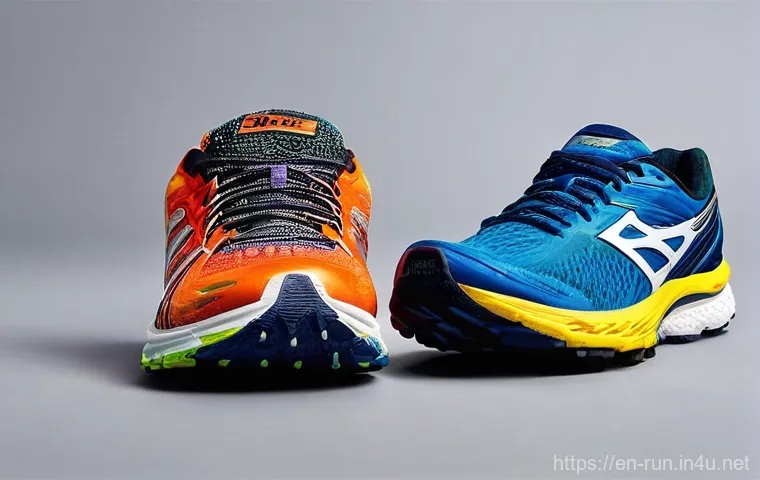
Even the most durable shoes won’t last forever, but with a little TLC, you can absolutely squeeze out every last mile. I’ve learned a few tricks over the years that have saved me a ton of money and kept my favorite pairs feeling fresh for longer.
The Art of Rotation: Give Your Shoes a Break
This is probably the single most effective tip I can give you: rotate your running shoes! Just like your body needs rest, your shoes need recovery time too. The foam in the midsole compresses during a run, and it needs about 24-48 hours to fully decompress and rebound to its original supportive state. If you use the same pair every single day, that foam doesn’t get a chance to recover, and it breaks down much faster. I always have at least two, sometimes three, pairs in my rotation – a daily trainer, maybe a slightly snappier shoe for tempo runs, and a trail shoe. This distributes the stress, allows each pair to dry out properly (which is huge for preventing odor and material breakdown), and significantly extends the lifespan of all your shoes.
Cleaning and Storage: Simple Habits, Big Impact
It might seem trivial, but how you clean and store your shoes can seriously affect their longevity. After a muddy trail run or even a particularly sweaty road session, give them a quick wipe down to remove dirt and debris. Dirt can be abrasive to the upper and promote bacterial growth. Always let them air dry completely, ideally with the insoles removed, in a cool, dry place away from direct sunlight or extreme temperatures. Never, ever throw them in the dryer! High heat can damage the glues and midsole materials, causing them to delaminate or shrink. I usually stuff mine with old newspaper to absorb moisture quickly, then leave them out on the porch (in the shade!) for a day or two. Proper storage also means not leaving them in a hot car trunk, which can rapidly degrade materials.
When It’s Time to Say Goodbye: Recognizing Wear & Tear
Knowing when your shoes have truly reached the end of their useful life is crucial, not just for your performance, but more importantly, for preventing injuries. Sometimes, the signs are obvious, but other times, they’re more subtle whispers from your body. Listening to both is key.
Visible Clues: What Your Shoes Are Telling You
Take a good look at your shoes after a run. Are the outsoles smooth and bald in certain areas, particularly where your foot makes the most impact? That’s a clear sign the traction and shock absorption are compromised. Check the midsole: are there visible creases, wrinkles, or does it feel flat and unresponsive when you press on it? This indicates the cushioning is compressed and no longer providing adequate support. Another trick I use is the “twist test.” While some shoes are designed to be more flexible, most should offer some resistance when you try to twist them at the midpoint. If your shoe folds up like a pretzel, it’s likely lost its structural integrity. Finally, look at the upper: are there tears, excessive stretching, or holes? If your foot is moving around too much inside because the upper can’t hold it securely, that’s also a sign it’s time for a replacement.
Listening to Your Body: The Internal Warning Signs
Often, your body will tell you your shoes are done before your eyes do. If you start experiencing new or persistent aches and pains after your runs – think shin splints, plantar fasciitis, knee pain, or even hip soreness – your shoes could very well be the culprit. Worn-out cushioning means your body is taking more of the impact, leading to increased stress on your joints and muscles. I remember one time my Achilles started flaring up after every run, and I couldn’t figure out why until I swapped out my old trainers for a fresh pair. The difference was immediate. Don’t push through persistent discomfort; it’s your body’s way of telling you that your shoes are no longer doing their job of protecting you. It’s an investment in your health and longevity as a runner to replace them when these signs appear.
The Cost-Benefit Breakdown: Investing in Durability
Let’s talk money. Nobody likes shelling out cash for new running shoes, especially when prices seem to keep creeping up. But I’ve come to realize that thinking of shoe replacement as a necessary investment, rather than an expense, totally changes your perspective. It’s about more than just the initial price tag; it’s about what you get in return.
Preventing Injuries: The Hidden Savings
Worn-out shoes are a silent saboteur, dramatically increasing your risk of injury. Think about it: if your shoes aren’t absorbing shock properly, that impact goes straight to your feet, ankles, knees, and hips. An injury can mean time off running, physical therapy, doctor’s visits, and even medication. All of that adds up, often costing far more than a new pair of shoes. I’ve seen too many fellow runners try to stretch their shoes a little too far, only to end up sidelined with a frustrating injury that takes weeks or even months to recover from. Trust me, preventing an injury is always cheaper and less painful than treating one. Investing in a good, durable pair, and replacing them when they’re due, is essentially investing in your long-term running health.
Performance and Enjoyment: Quality Miles Over Quantity
Beyond injury prevention, new shoes simply make running more enjoyable and can even boost your performance. That fresh cushioning, responsive feel, and reliable traction can make a huge difference in how your legs feel during and after a run. When your shoes are doing their job, you can focus on your running, on hitting your pace, and on soaking in the joy of the run, rather than constantly thinking about tired feet or nagging pains. While some may argue that modern shoes are not lasting as long as older models due to softer foams and lighter materials, the enhanced comfort and performance benefits often outweigh the slightly shorter lifespan. For me, the feeling of lacing up a fresh pair and experiencing that familiar bounce and support is worth every penny. It means more comfortable miles, better recovery, and ultimately, a happier, healthier running journey.
| Feature | Impact on Durability | What to Look For |
|---|---|---|
| Outsole Material | Determines grip and abrasion resistance. Softer rubbers provide better grip but wear faster. | High-abrasion rubber (e.g., carbon rubber, AHARPLUS, Continental rubber) with good coverage. |
| Midsole Foam Density | Softer foams compress faster; firmer foams retain structure longer. | A balance of cushioning and resilience; some firmer foams (like PU) offer excellent longevity. |
| Upper Construction | Material quality and stitching affect how well it holds your foot and resists tears. | Durable, breathable mesh or knit materials that maintain shape and structure. Reinforced areas are a plus. |
| Runner’s Body Weight | Heavier runners typically exert more force, leading to quicker wear. | Consider shoes designed with more robust cushioning and outsole materials if you’re a heavier runner. |
| Running Surface | Hard surfaces (concrete, asphalt) cause faster abrasion than softer trails or treadmills. | Road shoes for roads, trail shoes for trails. Rotate surfaces when possible to reduce wear. |
Wrapping Things Up
Whew! We’ve covered a lot of ground today on the fascinating (and sometimes frustrating!) world of running shoe durability. It really boils down to understanding that your shoes are an investment in your running journey – an investment in preventing injuries, boosting your performance, and simply enjoying every stride. As runners, we push our gear to the limit, and knowing what to look for, how to care for it, and when to let go can make all the difference. Don’t be afraid to listen to your body and trust your gut feeling when a pair feels like it’s seen its last good mile. Happy running, everyone!
Useful Info for Your Next Run
1. Keep a running log, either physical or digital, to track the mileage on each pair of your shoes. This takes the guesswork out of knowing when it’s time for a replacement.
2. Invest in at least two pairs of running shoes and rotate them. This allows the midsole foam to fully decompress and recover between runs, significantly extending their lifespan.
3. Pay attention to how your body feels. New or persistent aches and pains in your feet, ankles, knees, or hips are often the earliest and most crucial indicators that your shoes are worn out.
4. Clean your shoes regularly and allow them to air dry completely, ideally with insoles removed. Avoid machine washing or drying, as high heat can damage materials and glues.
5. When trying on new shoes, consider your typical running surface and body weight. If you’re a heavier runner or primarily run on hard surfaces, look for shoes with more robust cushioning and durable outsoles.
Key Takeaways
Ultimately, running shoe durability isn’t just about the miles you get out of them; it’s about the quality of those miles. Prioritize shoes with resilient midsole foams and high-abrasion outsoles, and remember that proper care and rotation are your best friends in extending their life. Listen to both the visible signs of wear and, more importantly, your body’s signals to ensure you’re always running safely and comfortably. Replacing your shoes proactively is a wise investment in your long-term running health and continued enjoyment of the sport.
Frequently Asked Questions (FAQ) 📖
Q: So, how long should my running shoes really last, and what’s the secret to making them go the distance?
A: Oh, this is the million-dollar question, isn’t it? I swear, sometimes it feels like my shoes give up on me just as I’m hitting my stride! Generally, most experts will tell you that running shoes are good for about 300 to 500 miles.
But honestly, I’ve found that’s more of a guideline than a hard and fast rule. It totally depends on a bunch of factors: your running style, your weight, the surfaces you run on (trail running chews through shoes way faster than pavement, trust me!), and even how well you store them.
The “secret,” if there is one, isn’t some magic potion, but a combination of smart choices. For me, rotating between a couple of pairs has been a game-changer.
It gives the foam time to decompress and recover between runs, which I’ve noticed really extends their life. And please, for the love of all things holy, don’t use your running shoes for everyday errands or strength training!
Keep them just for running. You wouldn’t use your fancy race car for grocery shopping, right? Same principle applies here.
Plus, cleaning them gently and letting them air dry naturally, away from direct heat, also helps preserve those precious materials. I personally found that just by being a little more intentional, I’m squeezing an extra 100-150 miles out of each pair, which seriously adds up!
Q: Are there specific brands or models known for being more durable? I’m tired of shelling out for shoes that fall apart too quickly!
A: I totally hear you! It’s incredibly frustrating when you invest in what you think is a quality shoe, only for it to feel dead after a couple of months.
While I can’t name specific models that will be universally “the most durable” for everyone – because let’s face it, we all run differently – I can tell you what I and many other runners look for.
Brands like Brooks, Saucony, and New Balance often get a nod for their robust construction, especially in their everyday trainers. They tend to use higher-density foams and more durable rubber compounds on the outsole.
When I’m looking for a shoe that’s going to last, I often check out the outsole first. A thicker, more aggressive tread pattern usually indicates more durable rubber.
Also, look at the upper materials. Some shoes use really lightweight, breathable knits that are amazing for speed but not always built for the long haul.
I’ve personally had great experiences with shoes that have a slightly more reinforced mesh upper; they just seem to hold up better against scuffs and tears.
Don’t be fooled by the lightest shoe on the shelf if durability is your main goal. Sometimes, that extra ounce or two means a shoe that can handle hundreds more miles of pounding the pavement.
My best advice? Read reviews from other runners, especially those who put in similar mileage or run on similar terrains as you. Their real-world experience is invaluable.
Q: Even with durable shoes, how do I know when it’s really time to say goodbye and get a new pair? I sometimes feel like I’m guessing!
A: Oh, trust me, you’re not alone in that feeling! It’s one of those things where your shoes don’t come with a “replace by” date, and it can feel like a guessing game.
The mileage rule (300-500 miles) is a good starting point, but the absolute best indicator is how they feel on your feet and how your body feels after a run.
The first sign for me is usually a loss of that “pop” or responsiveness in the midsole. That plush cushioning that felt so great when they were new starts to feel flat and lifeless, almost like you’re running on bricks.
Visually, look for excessive wear on the outsole – if the tread is completely gone in certain areas, or if you can see the midsole material peeking through, it’s definitely time.
Another biggie is the upper, especially around the toe box or where your foot flexes; if you’re seeing tears or holes, the structural integrity is compromised.
But the most crucial sign, the one you absolutely shouldn’t ignore, is if you start experiencing new aches and pains that you can’t attribute to anything else.
Little niggles in your knees, shins, or hips that crop up only after your runs? That’s your body telling you the shoes aren’t providing the support and shock absorption they once did.
I’ve learned the hard way that trying to squeeze a few more runs out of dead shoes almost always leads to an injury, and that’s just not worth it! Listen to your body – it’s usually the best barometer for shoe replacement.